1936–2025
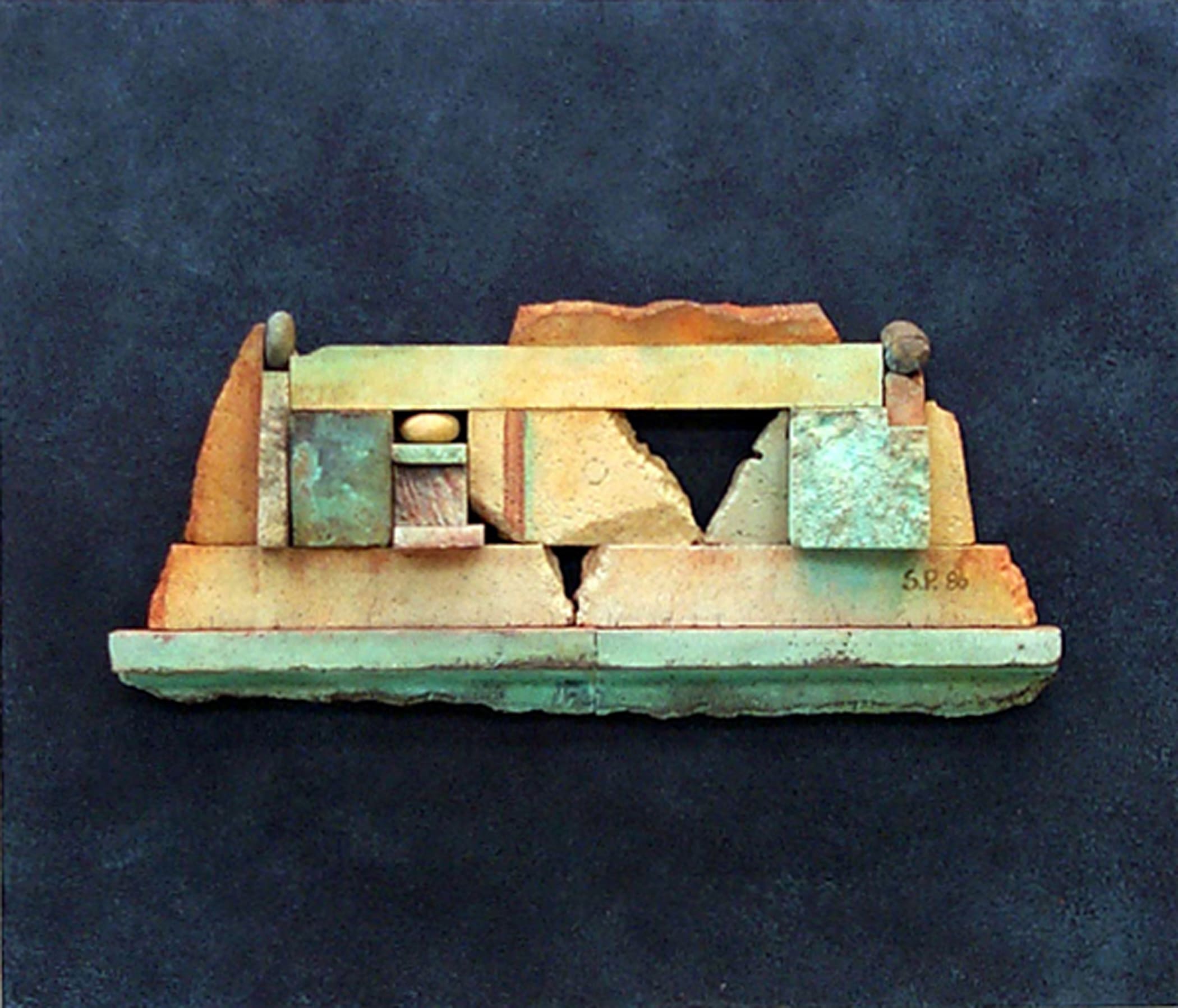
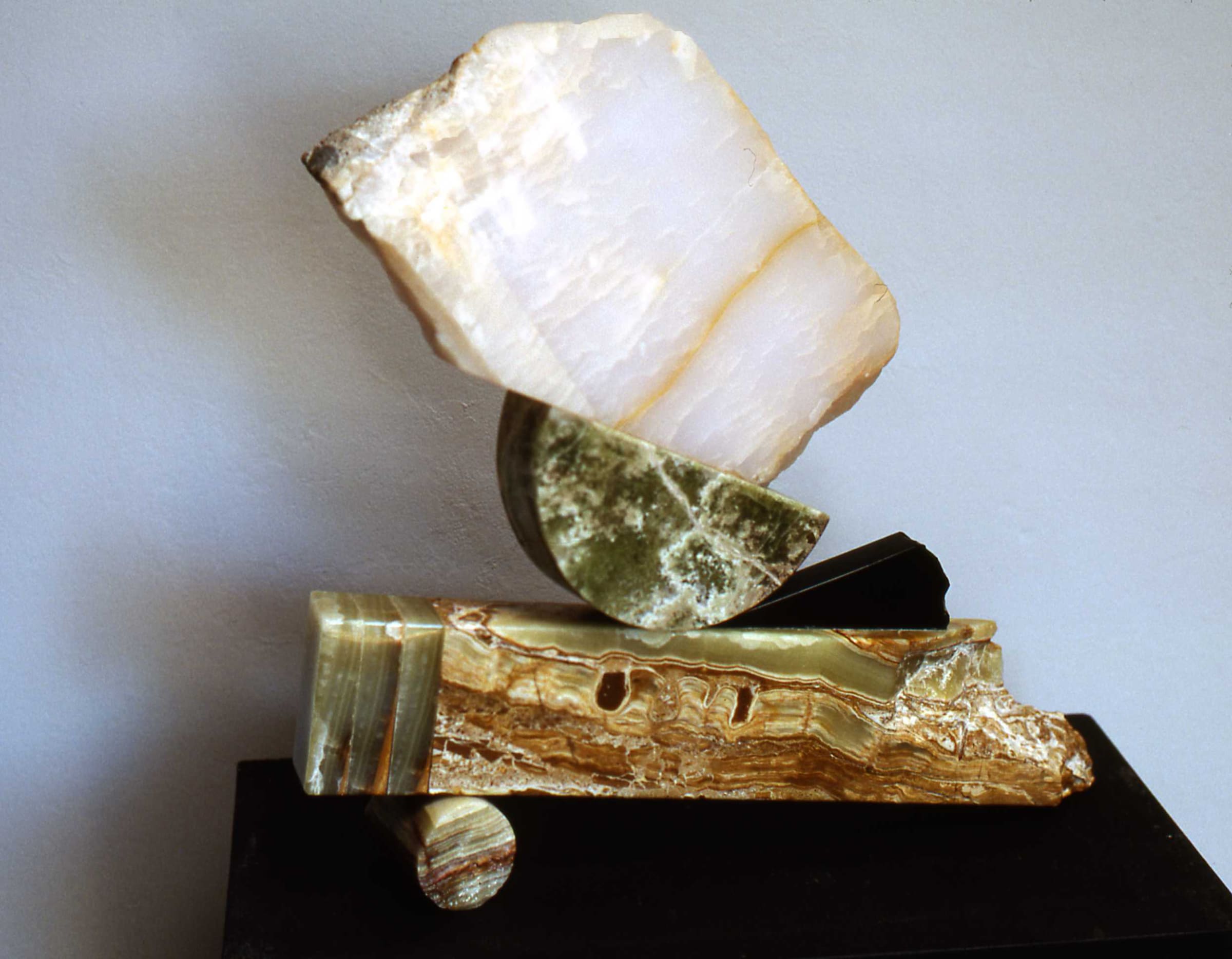
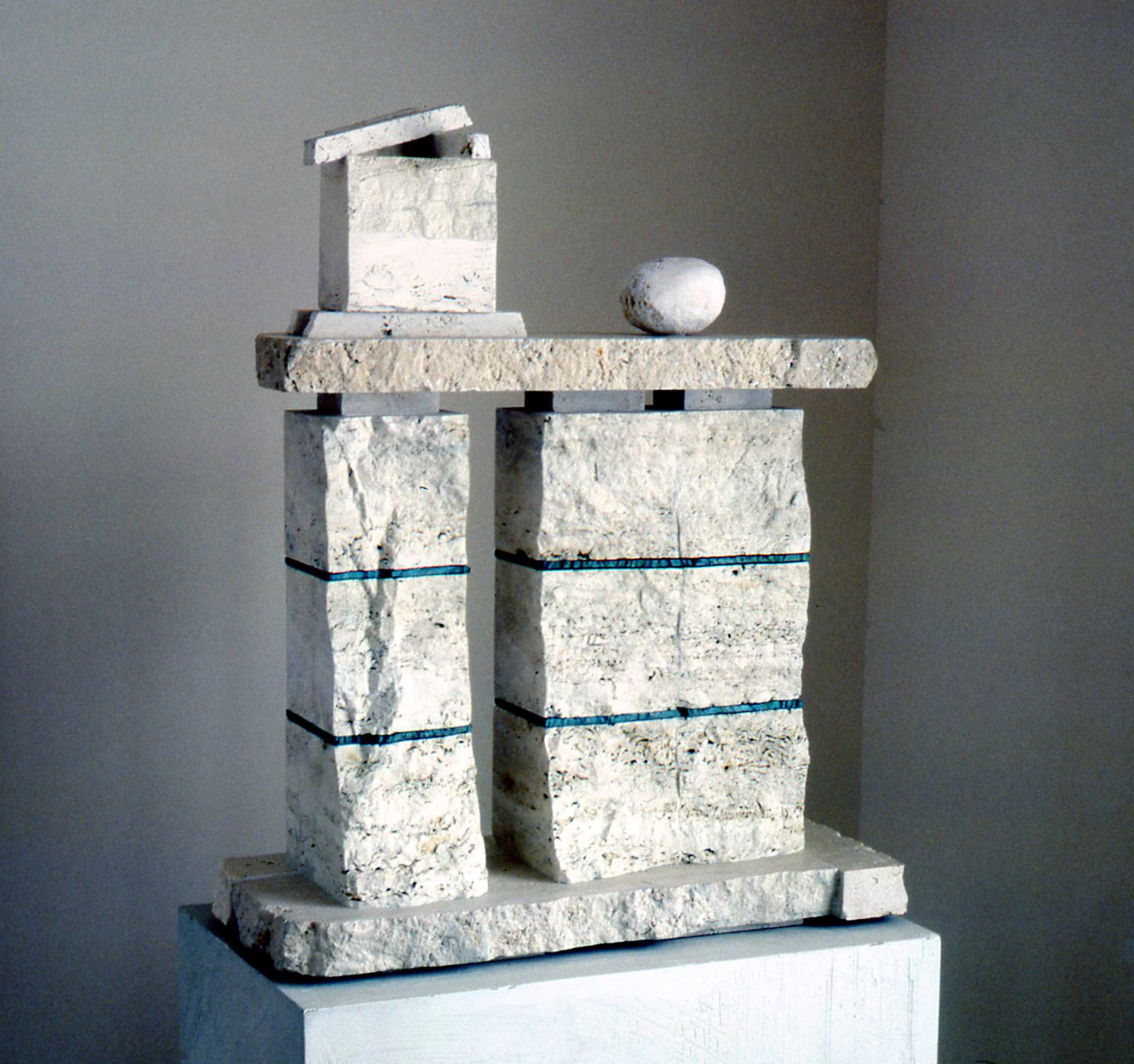
Salvatore Pecoraro’s excursions out of Pietrasanta, Italy, took him through small Italian towns full of ancient ruins, and what held his attention was never the monument — it was the rubble. Broken cornice and cut stone stacked at the edges of a site, waiting either for restoration or for nothing at all, arranged by no plan anyone had recorded. “The arbitrary placement of material,” he wrote, “became part of the visual language in my work.”
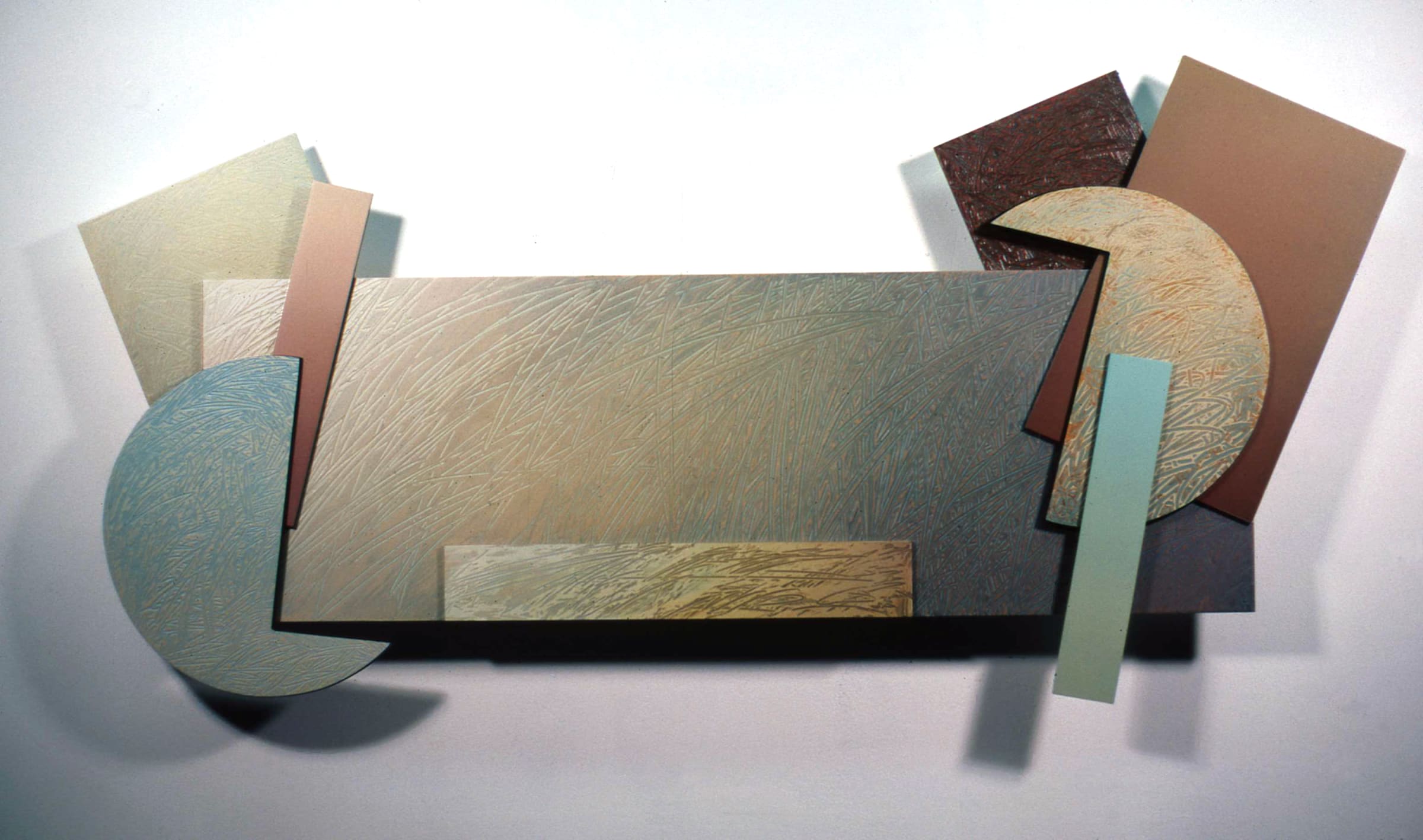
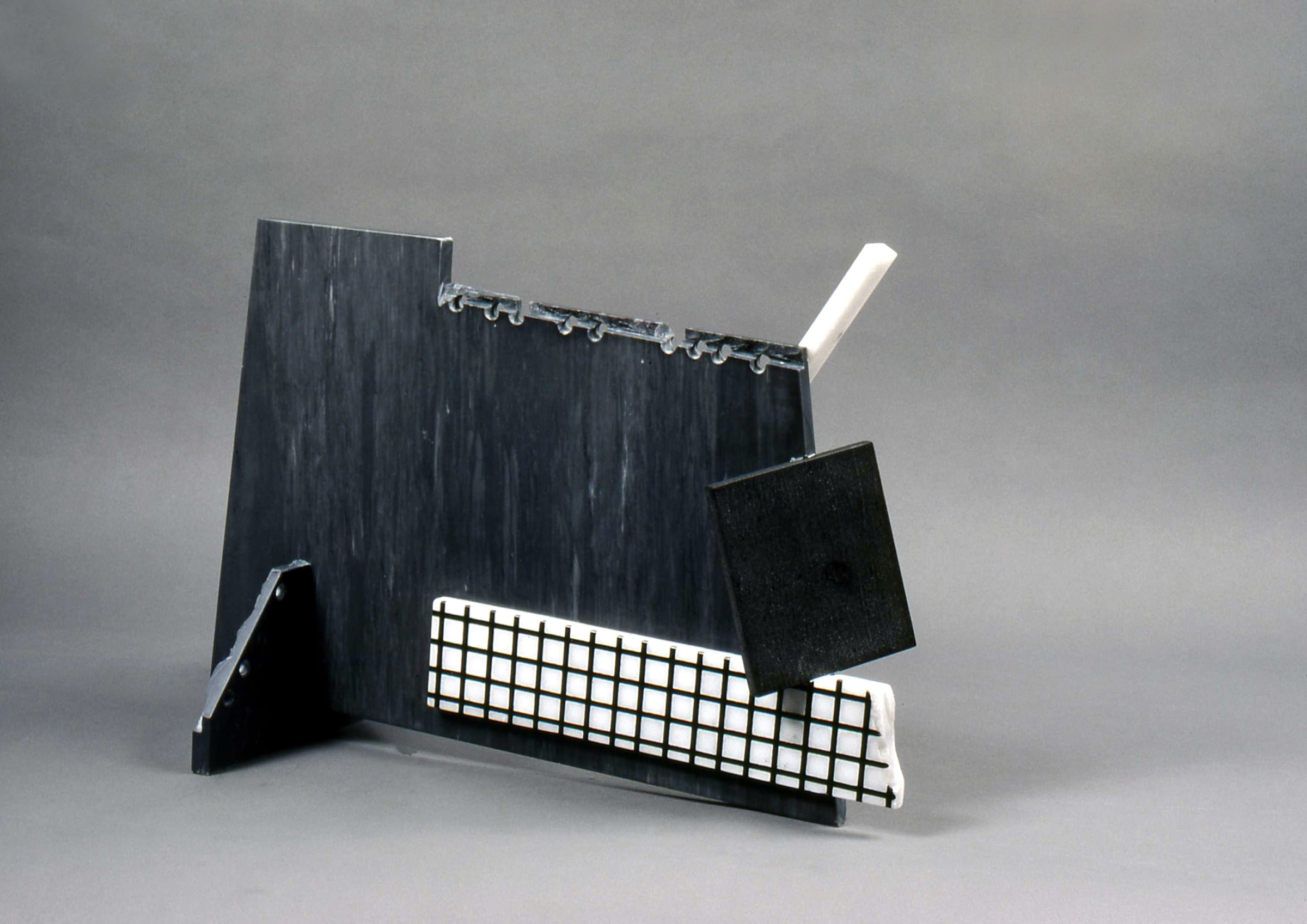
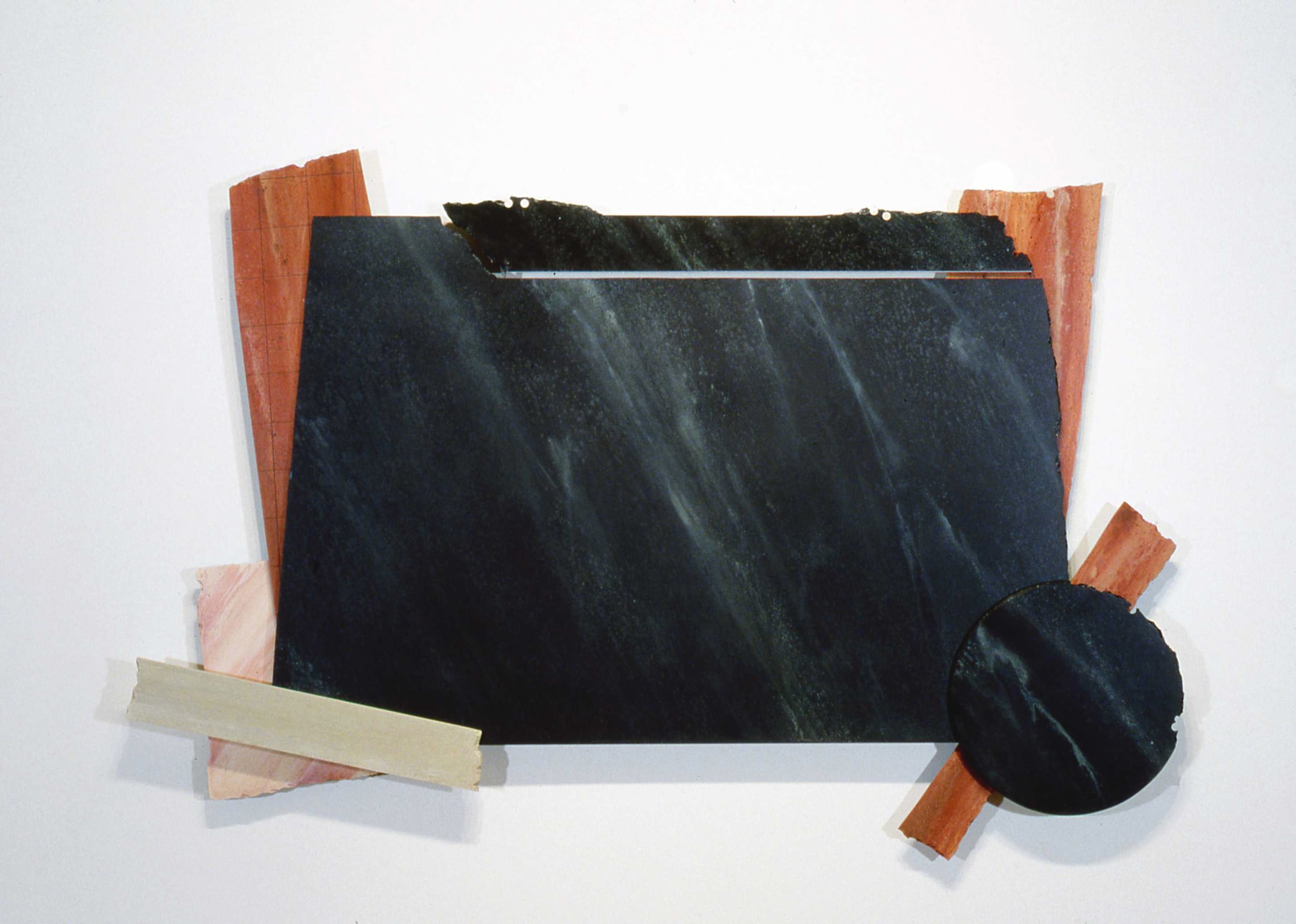
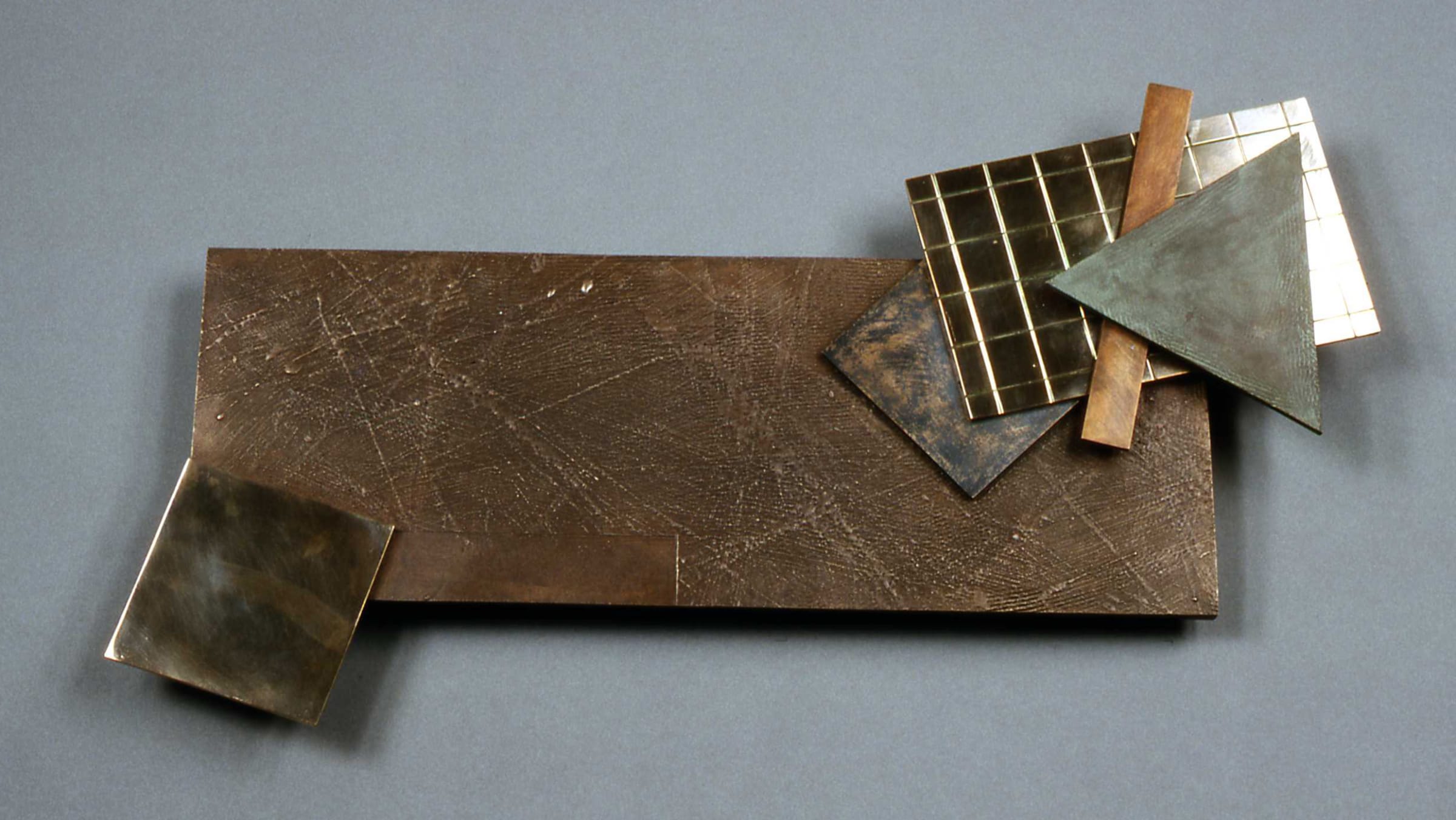
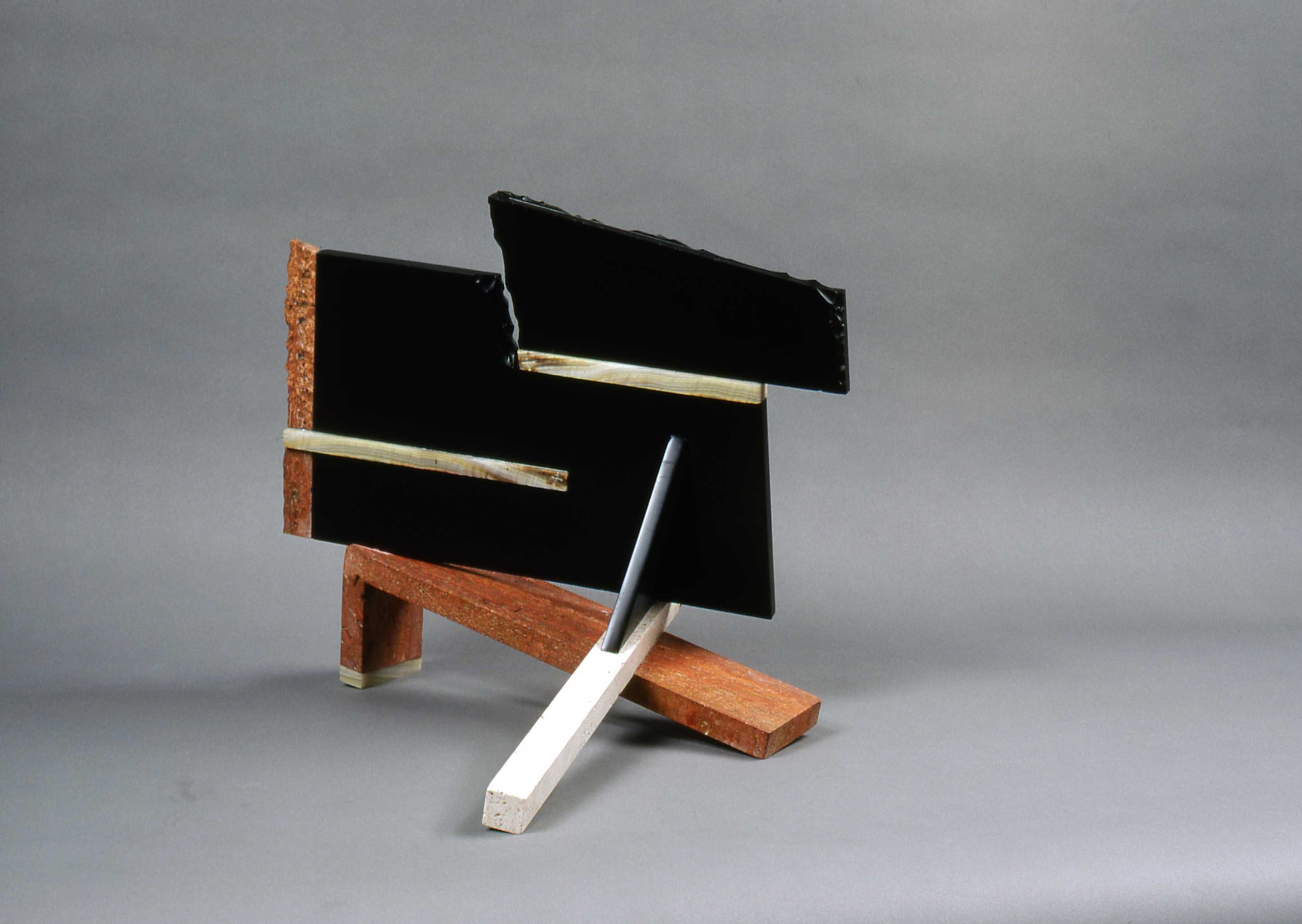
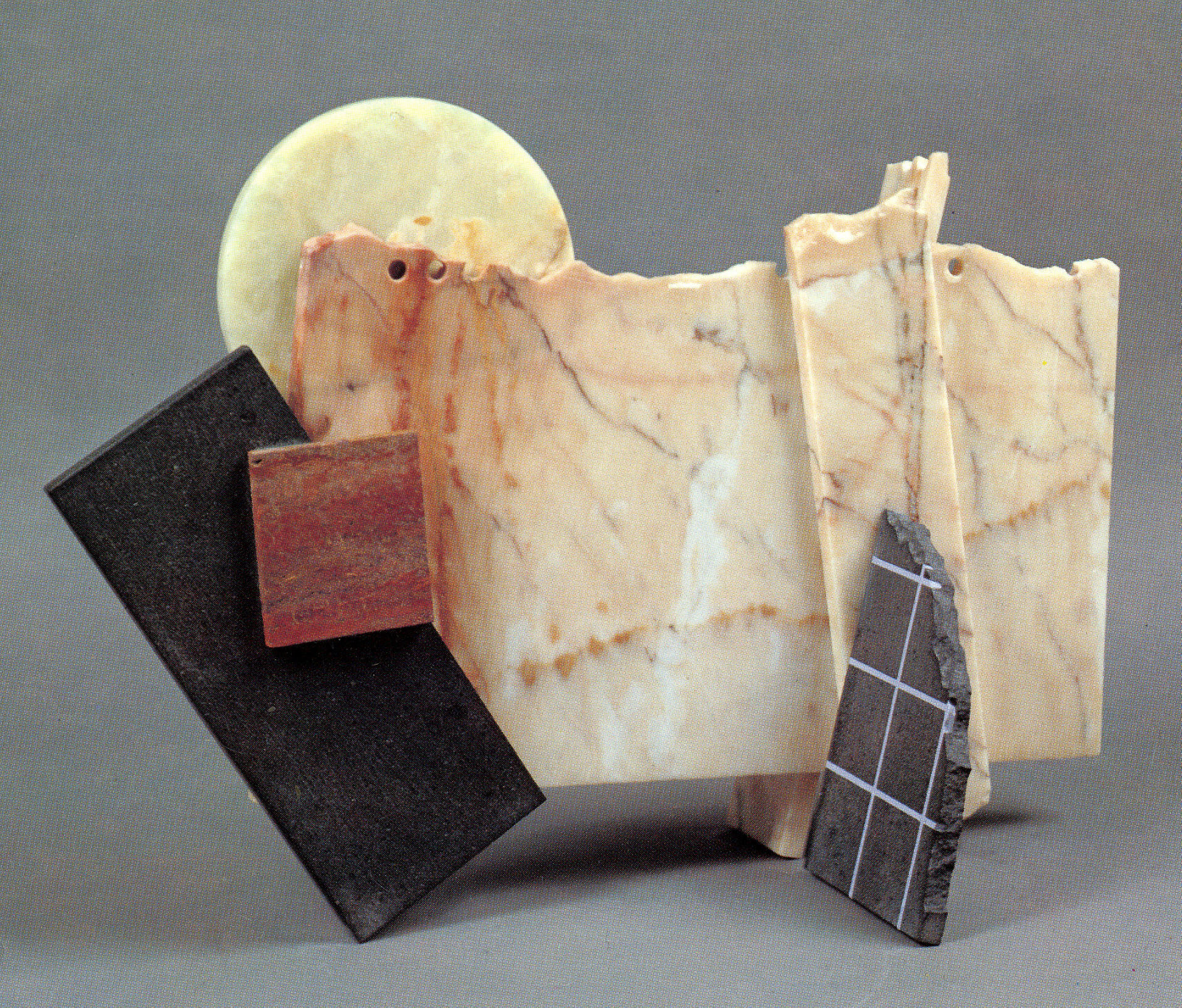
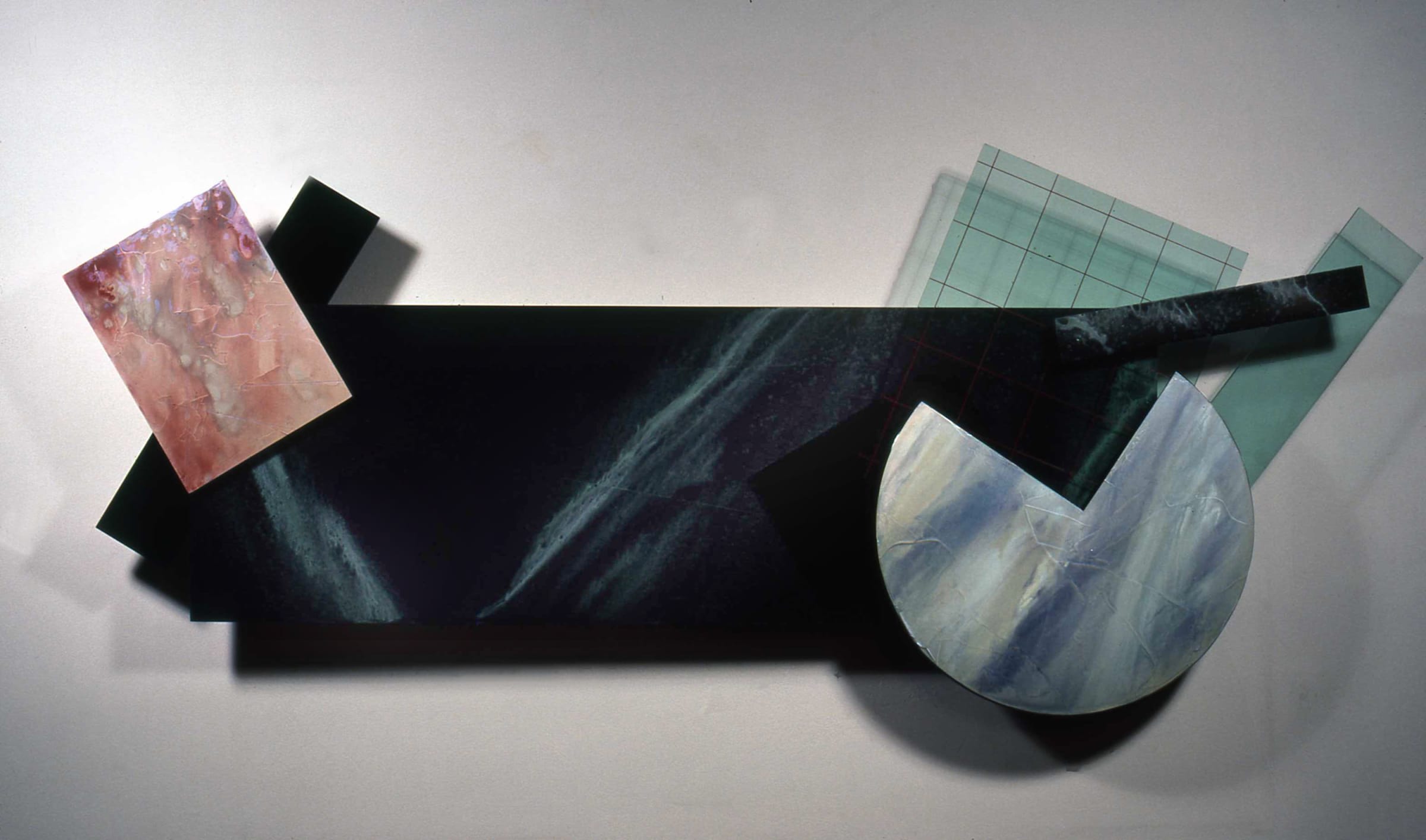
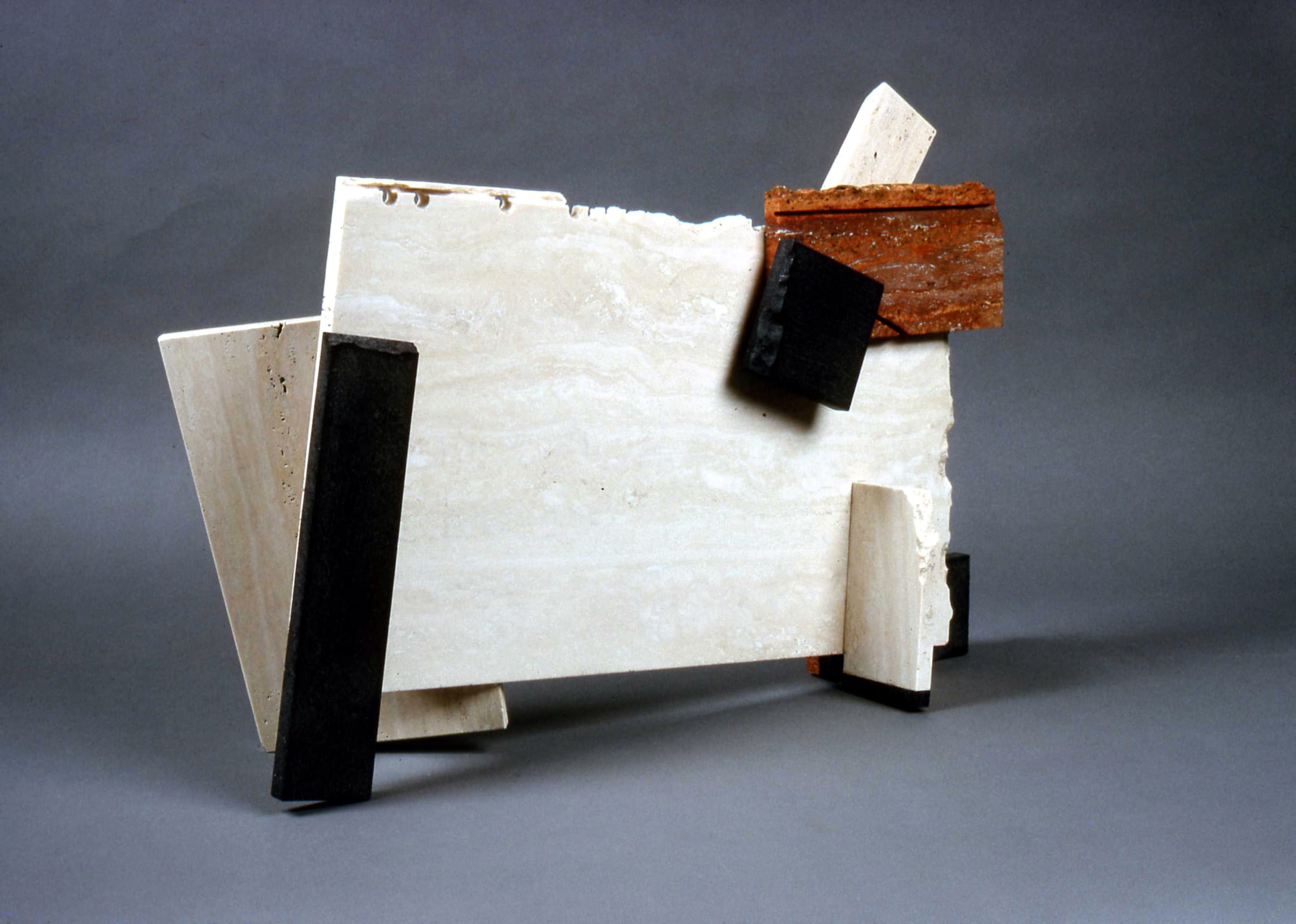
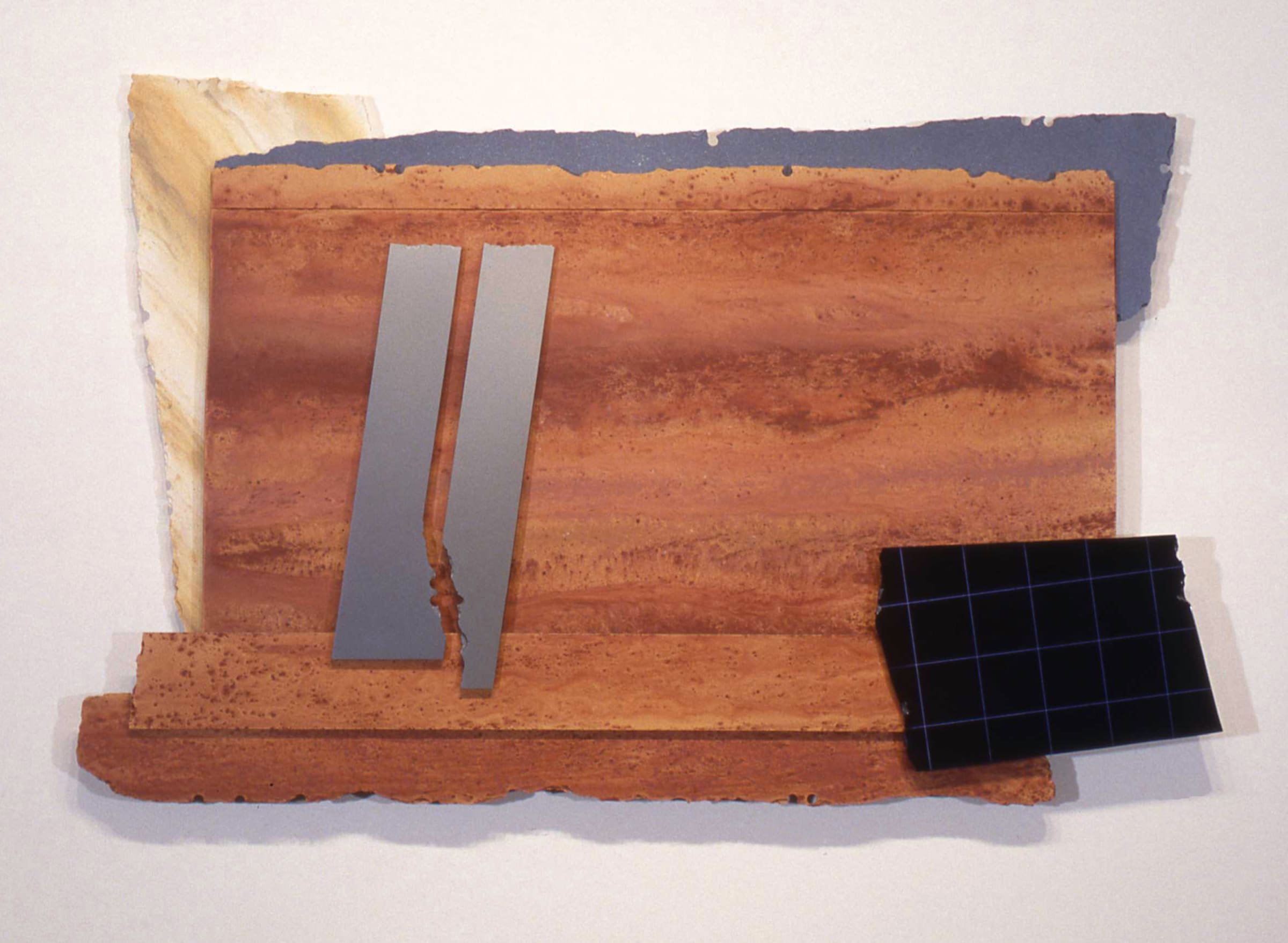
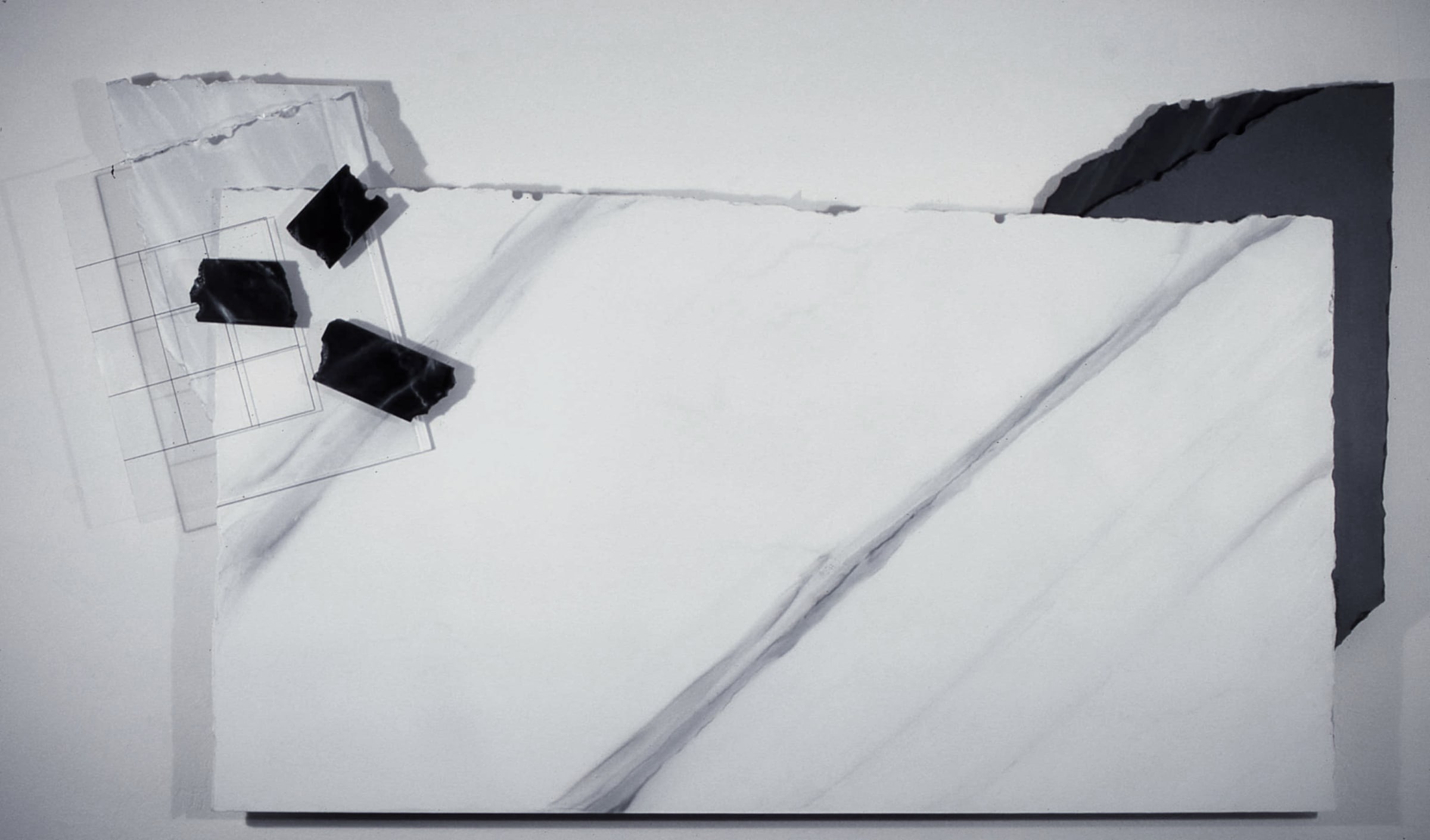
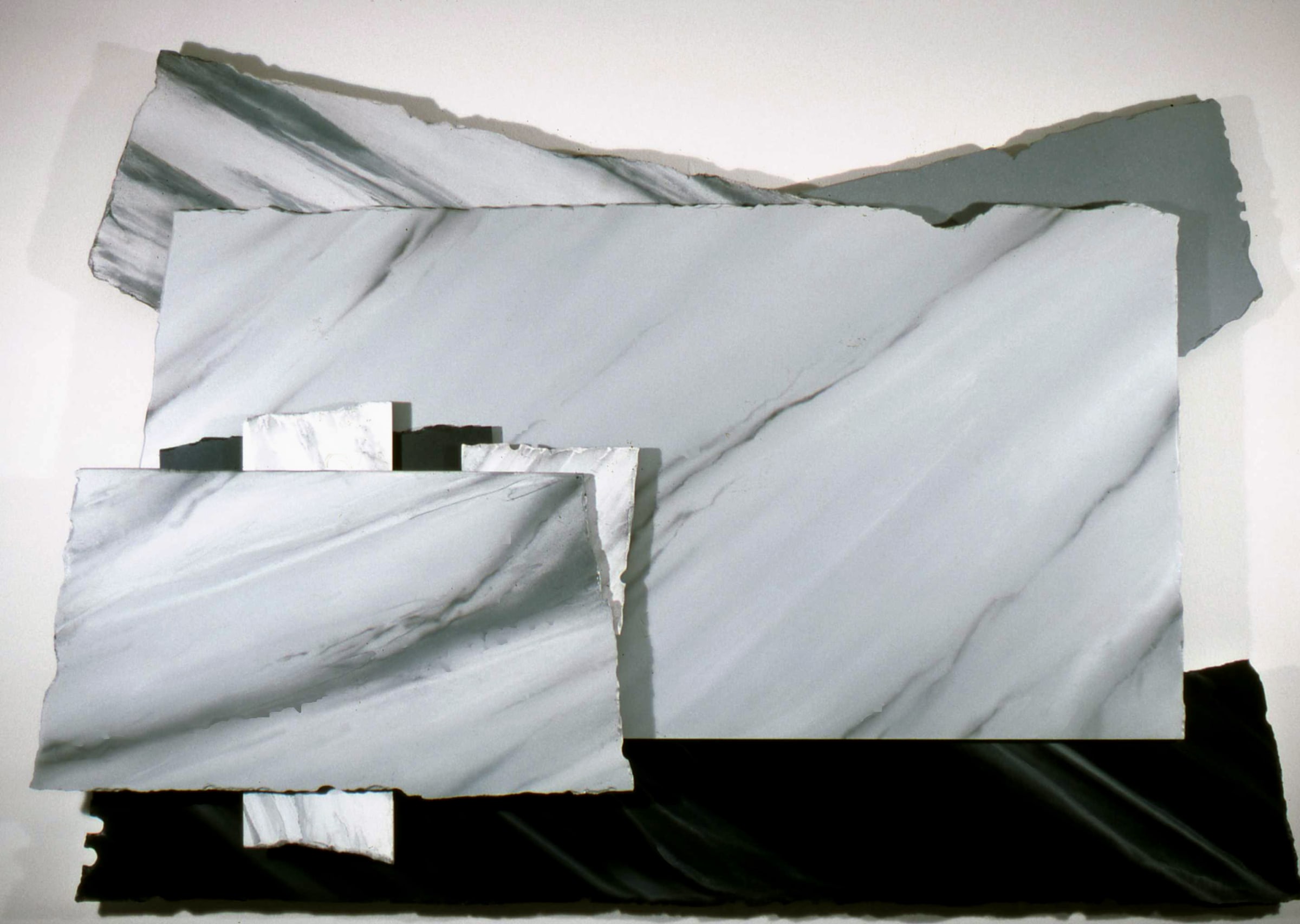
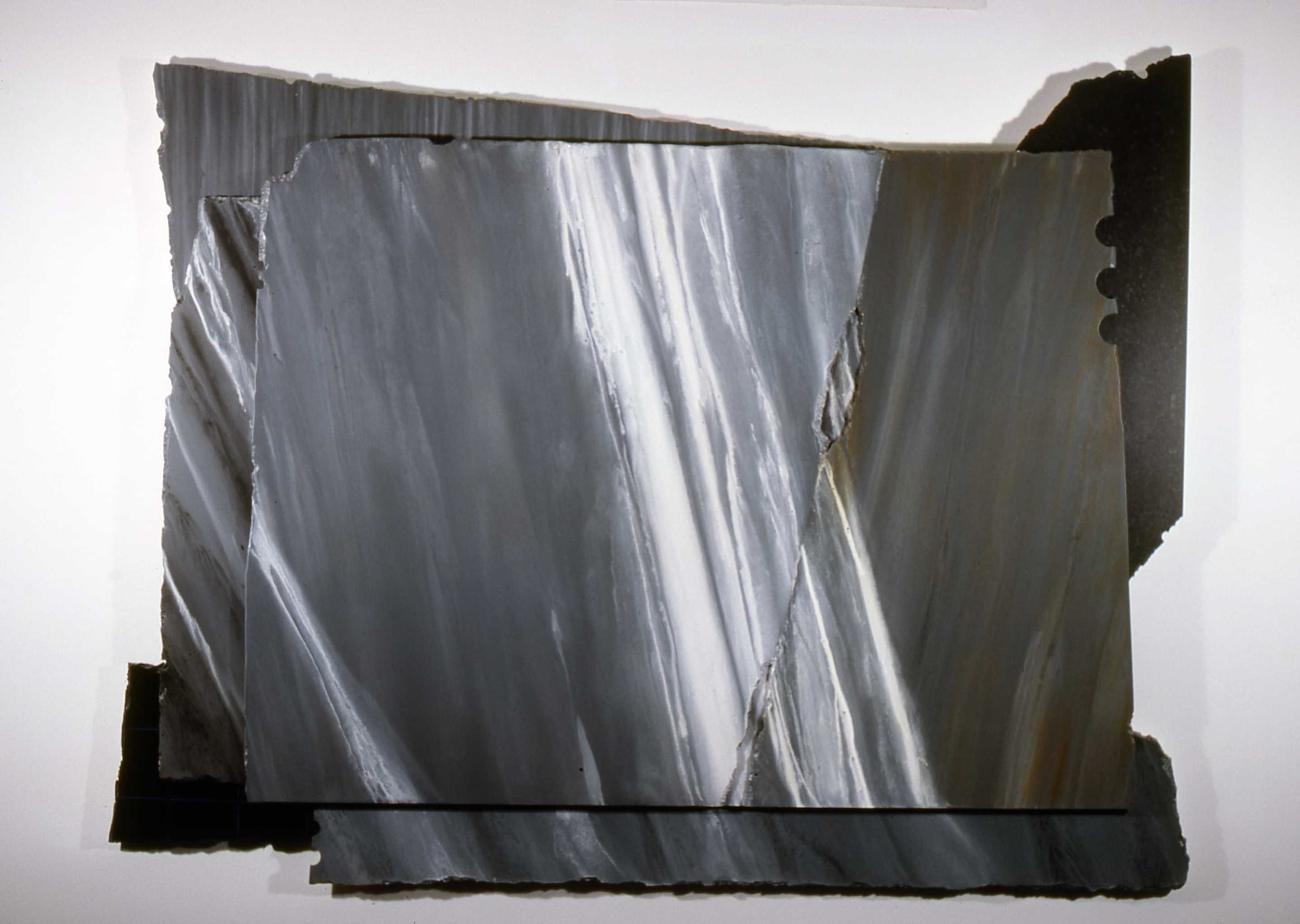
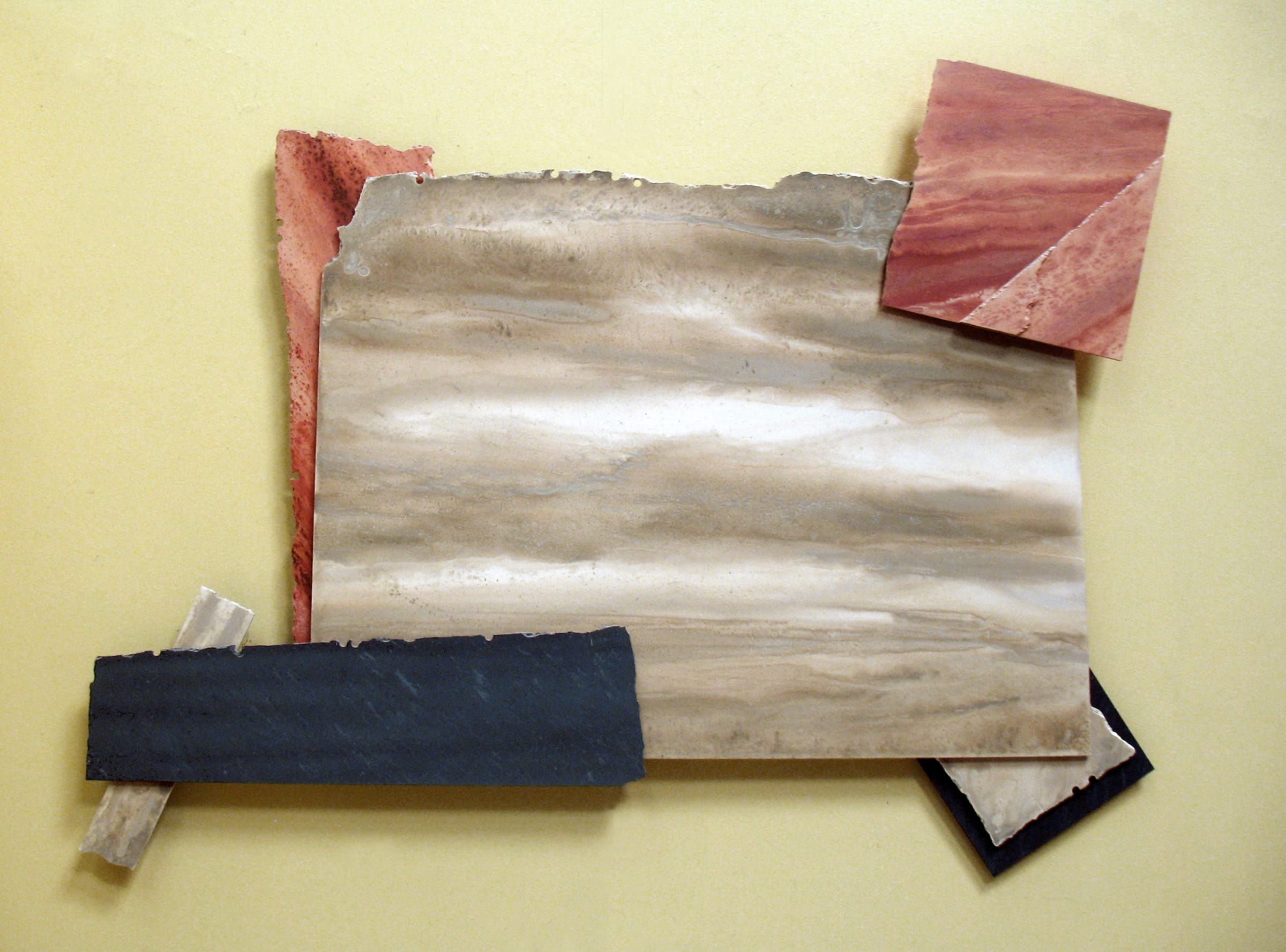
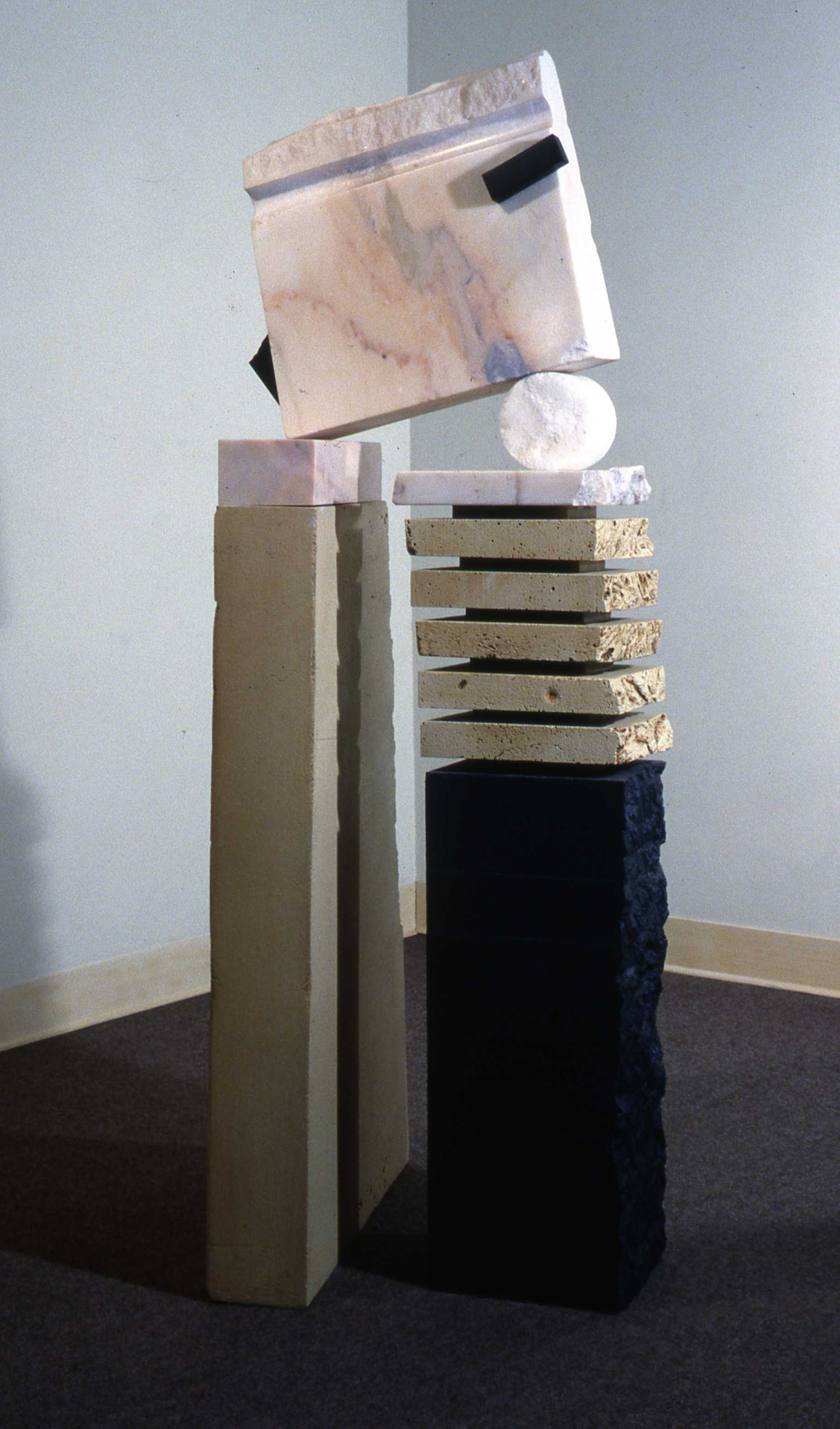
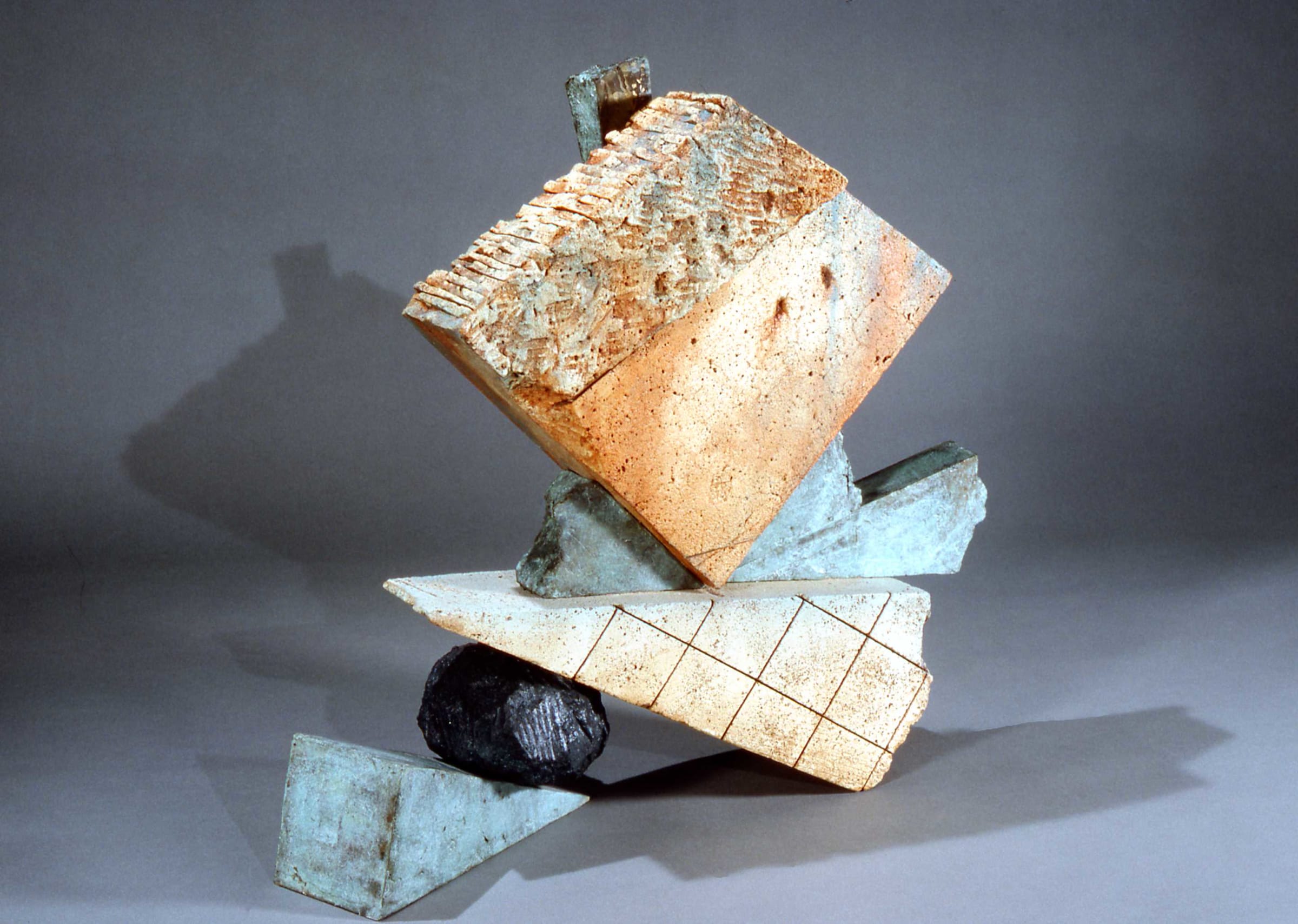
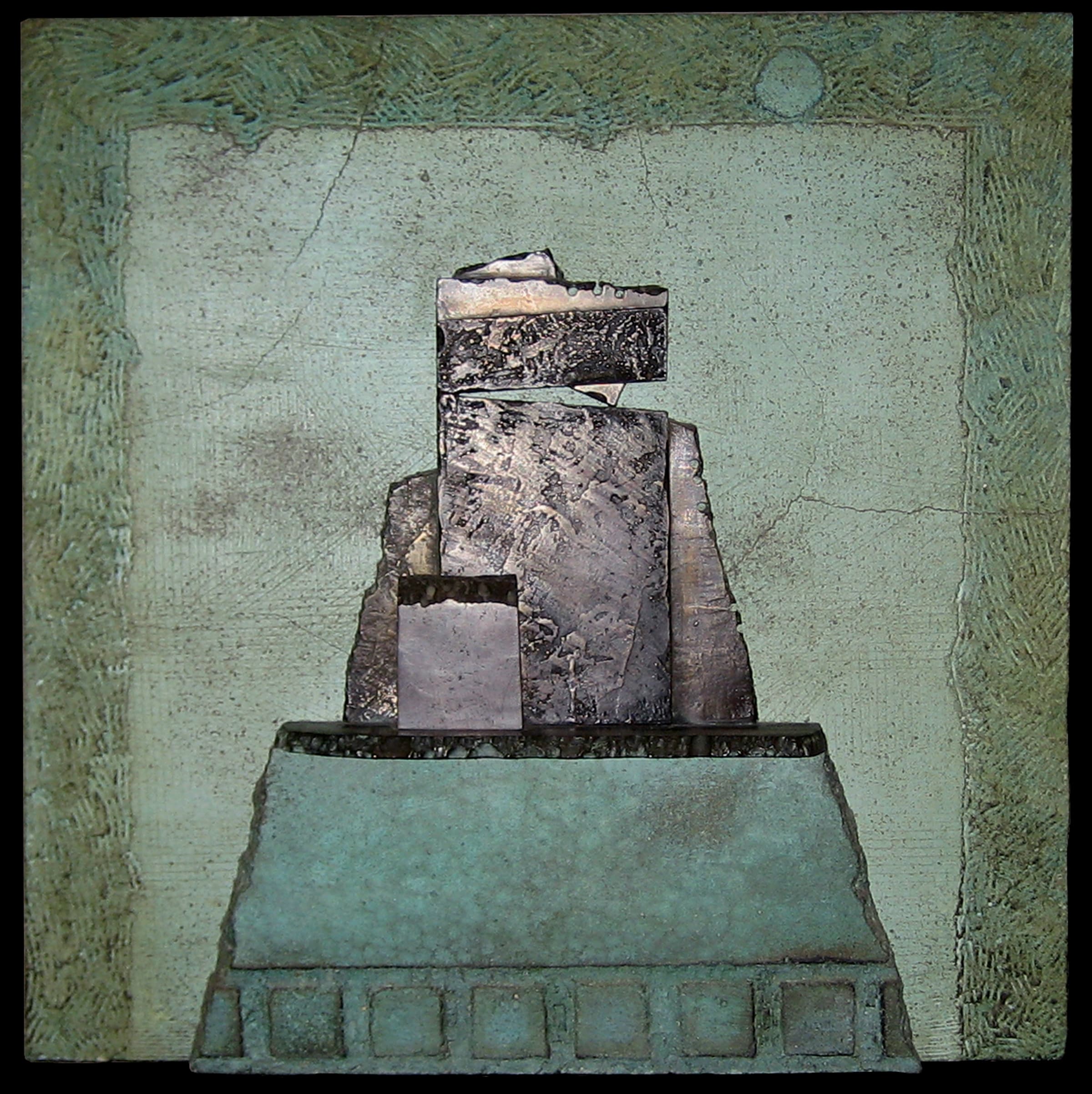
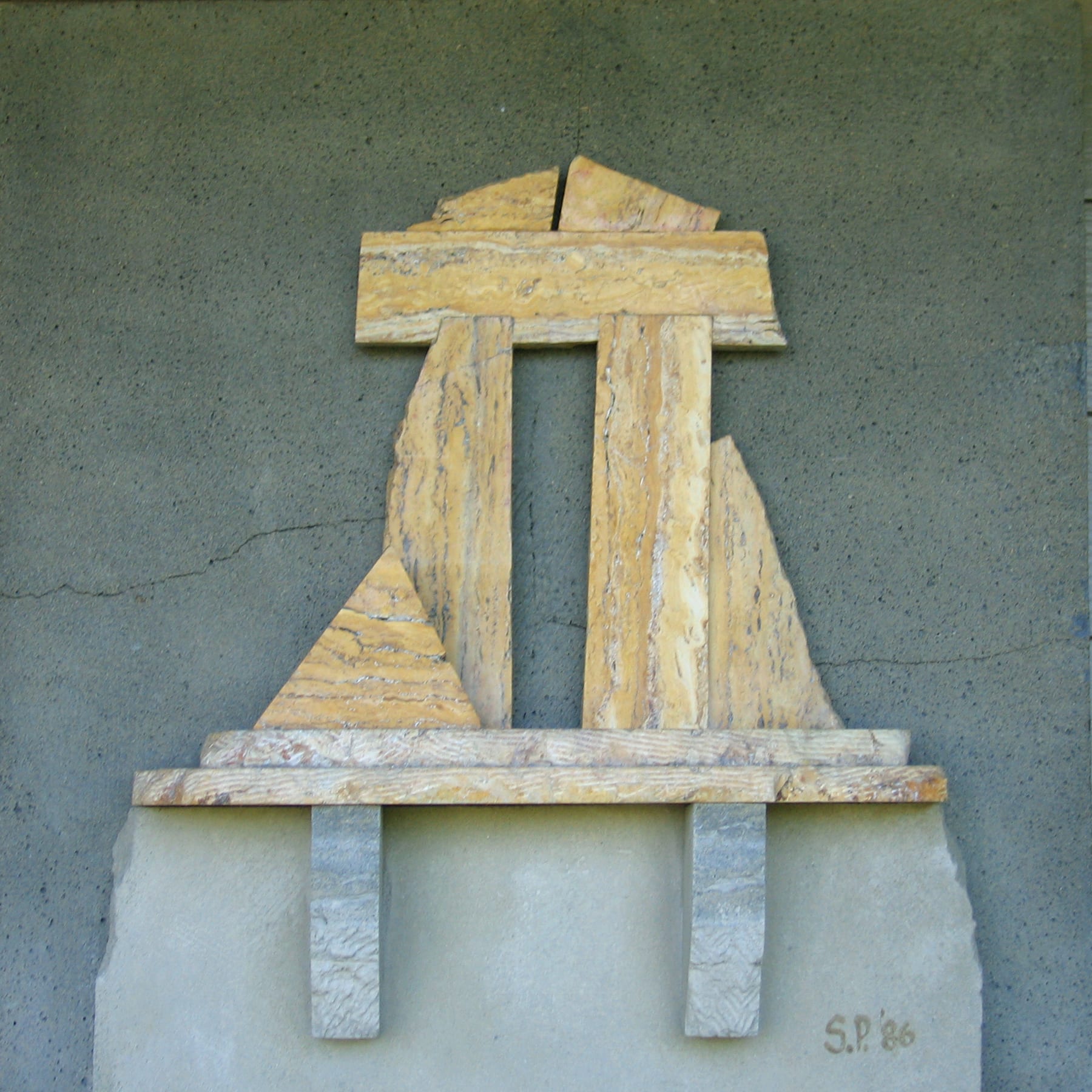
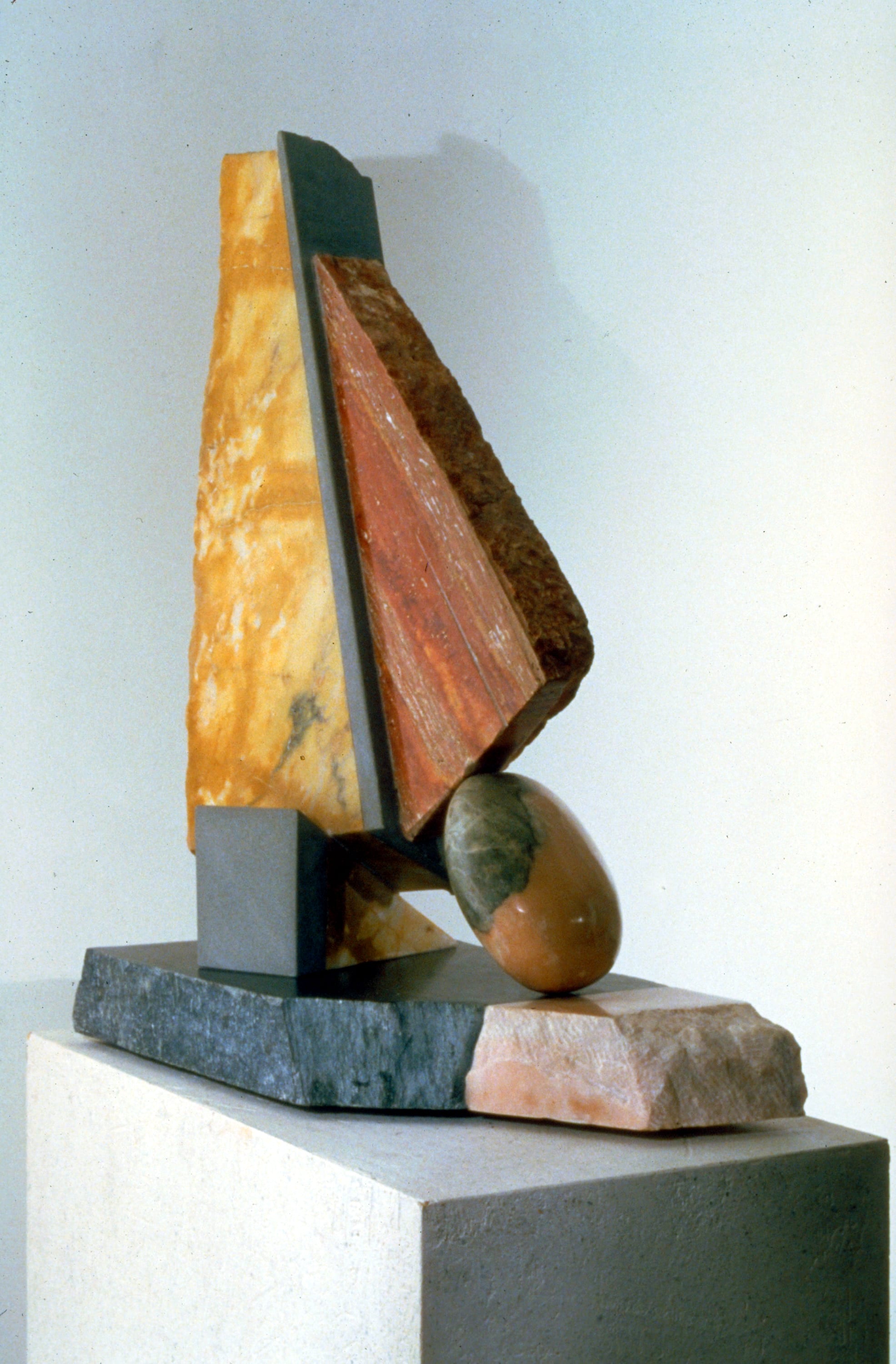
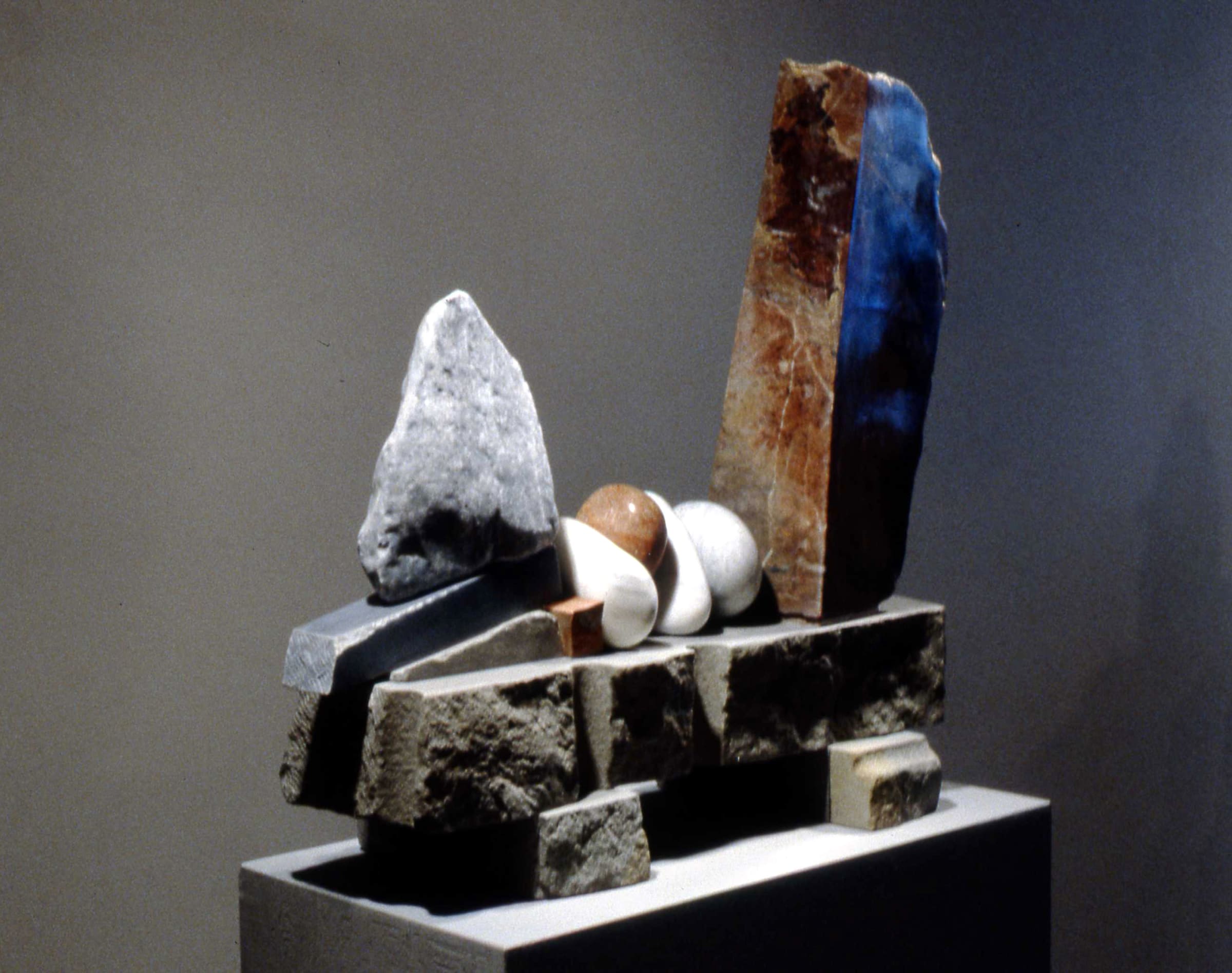
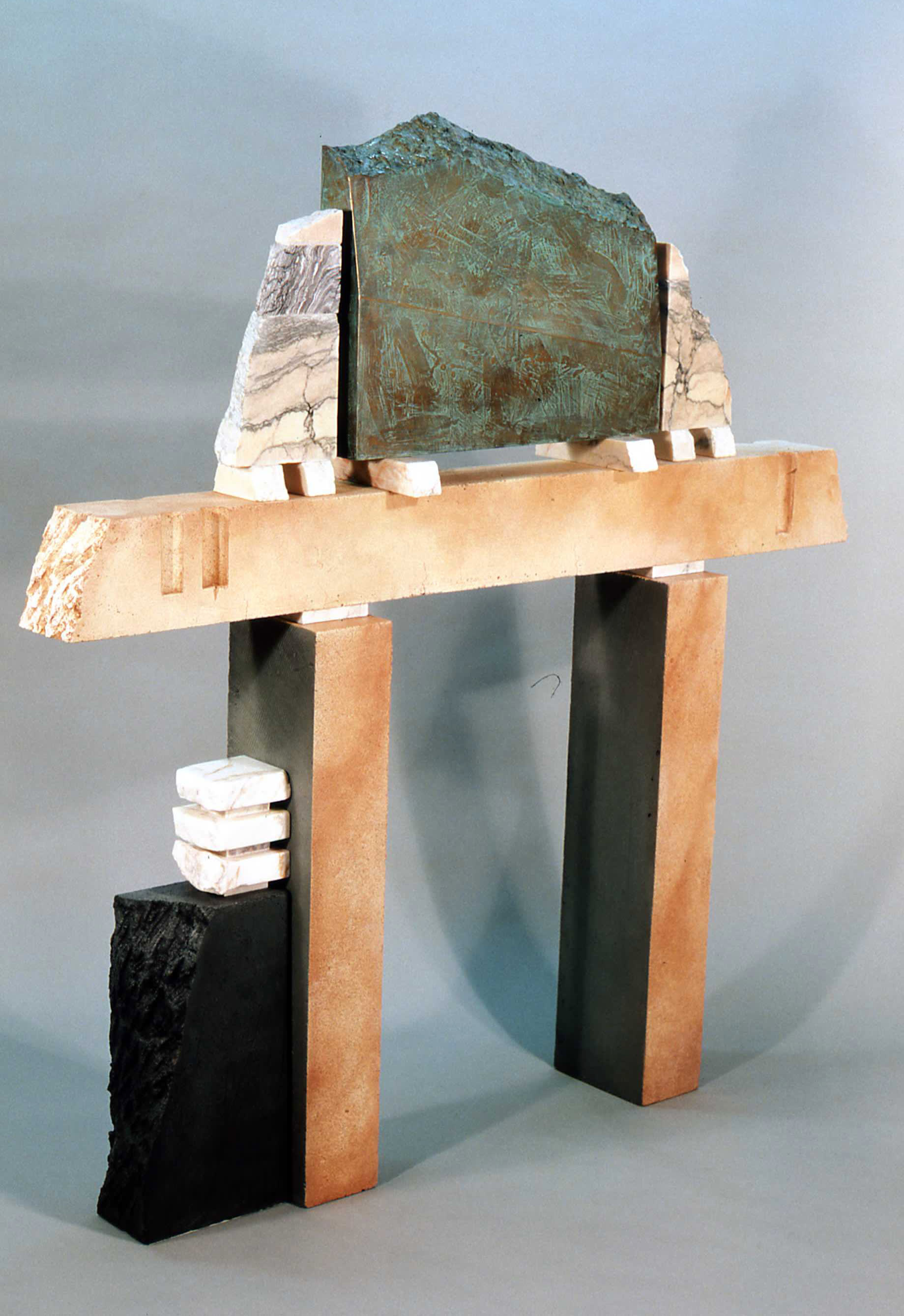
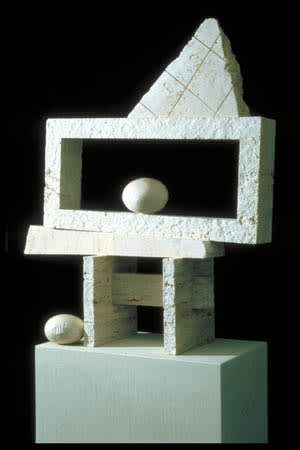
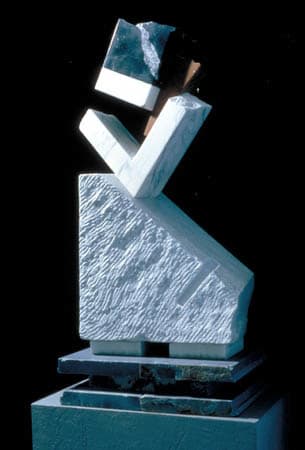
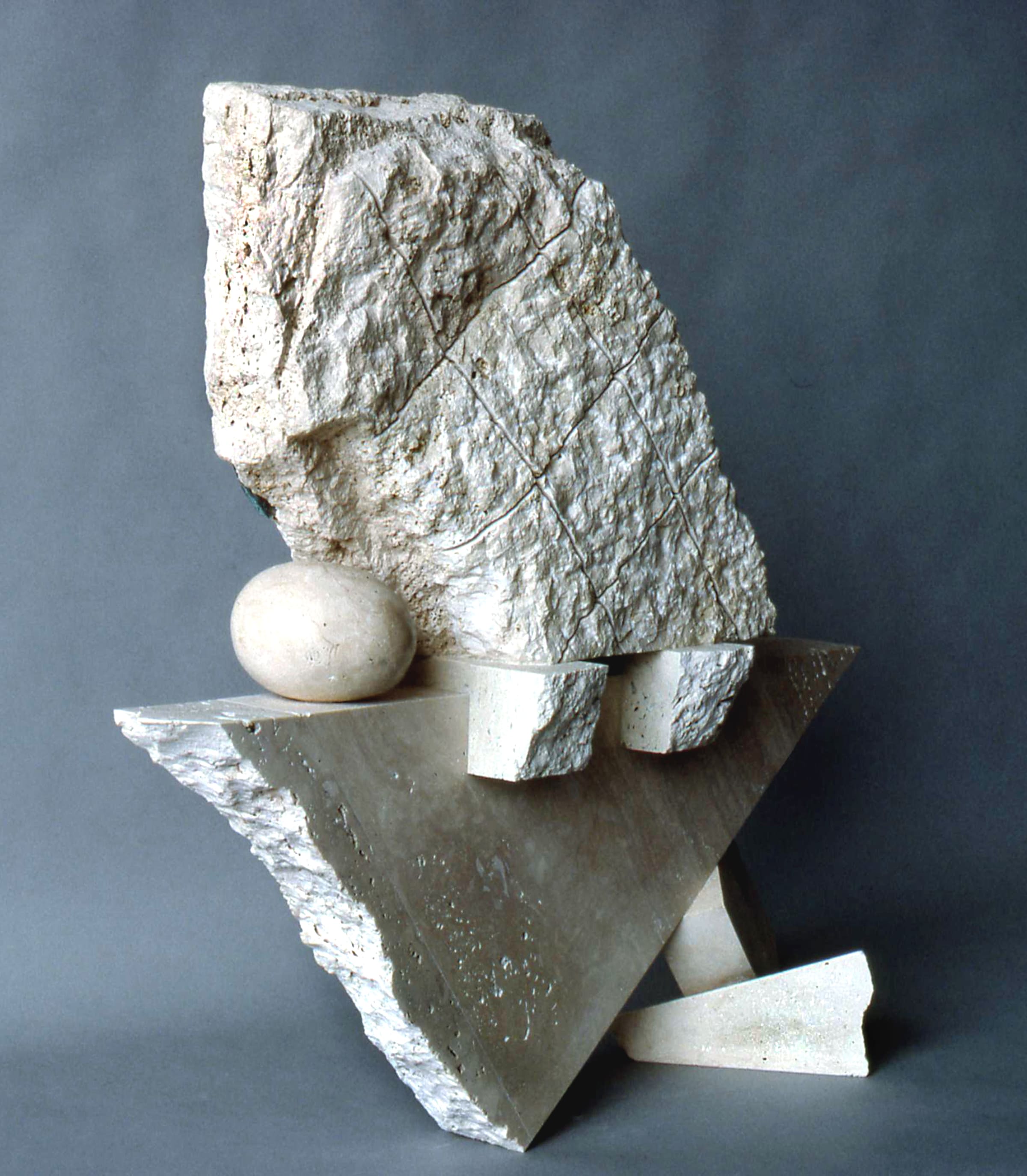
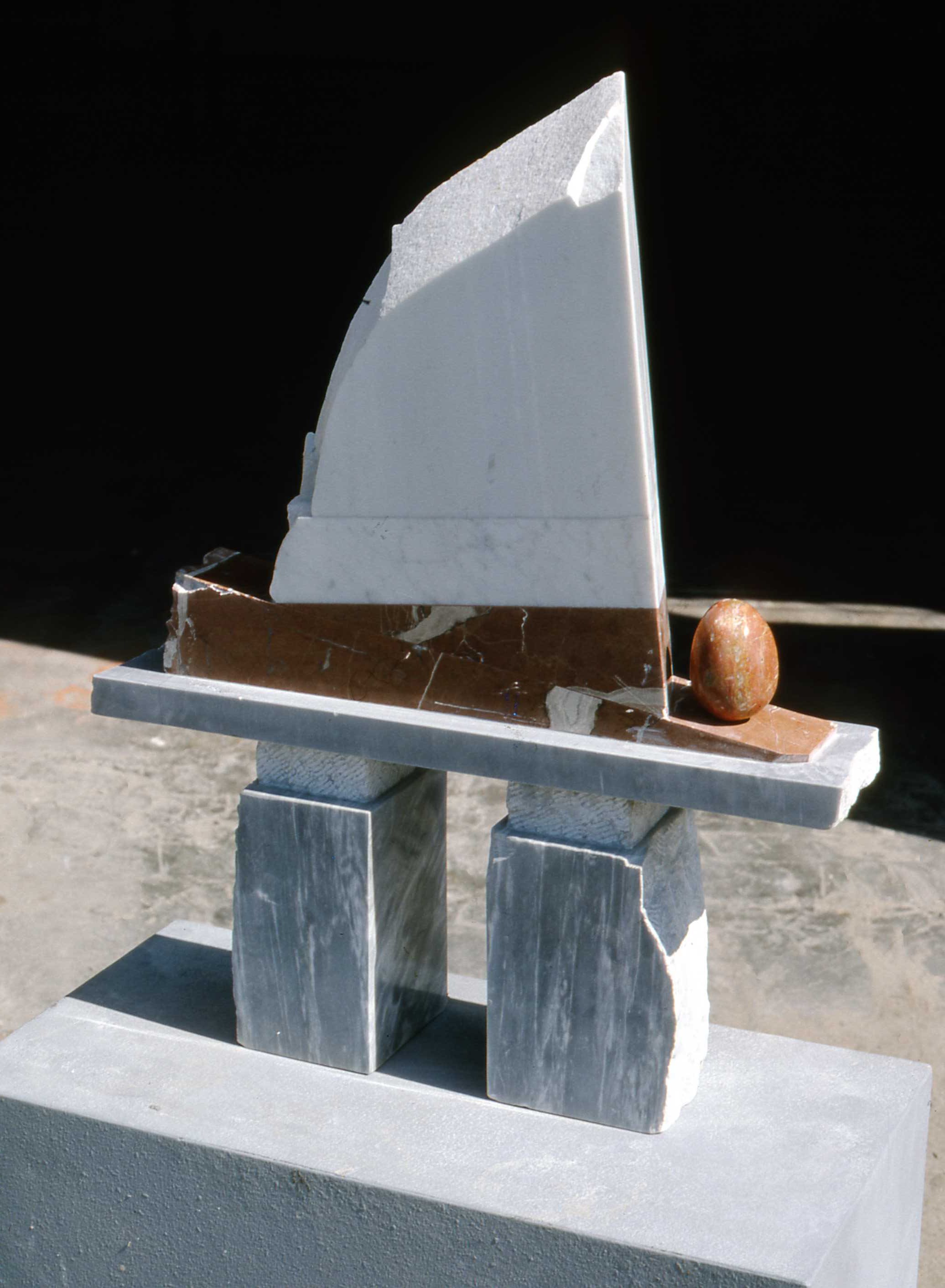
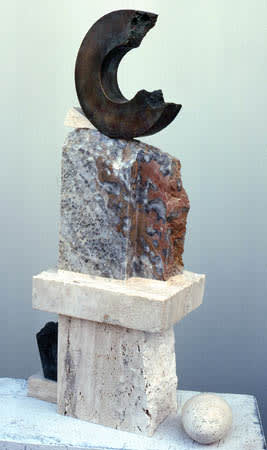
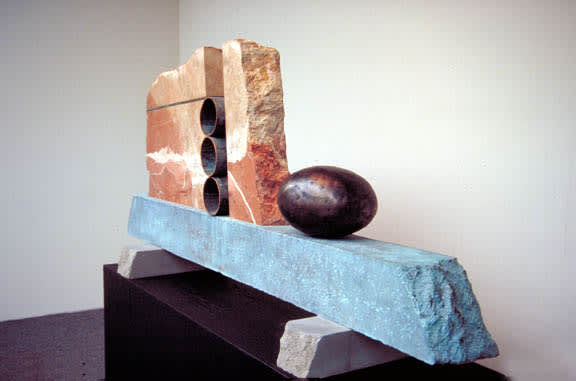
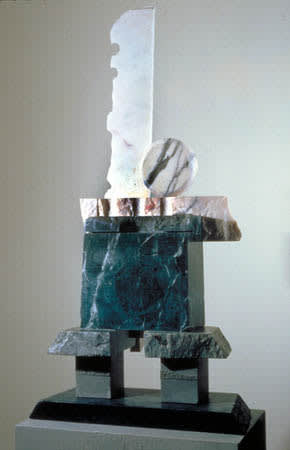
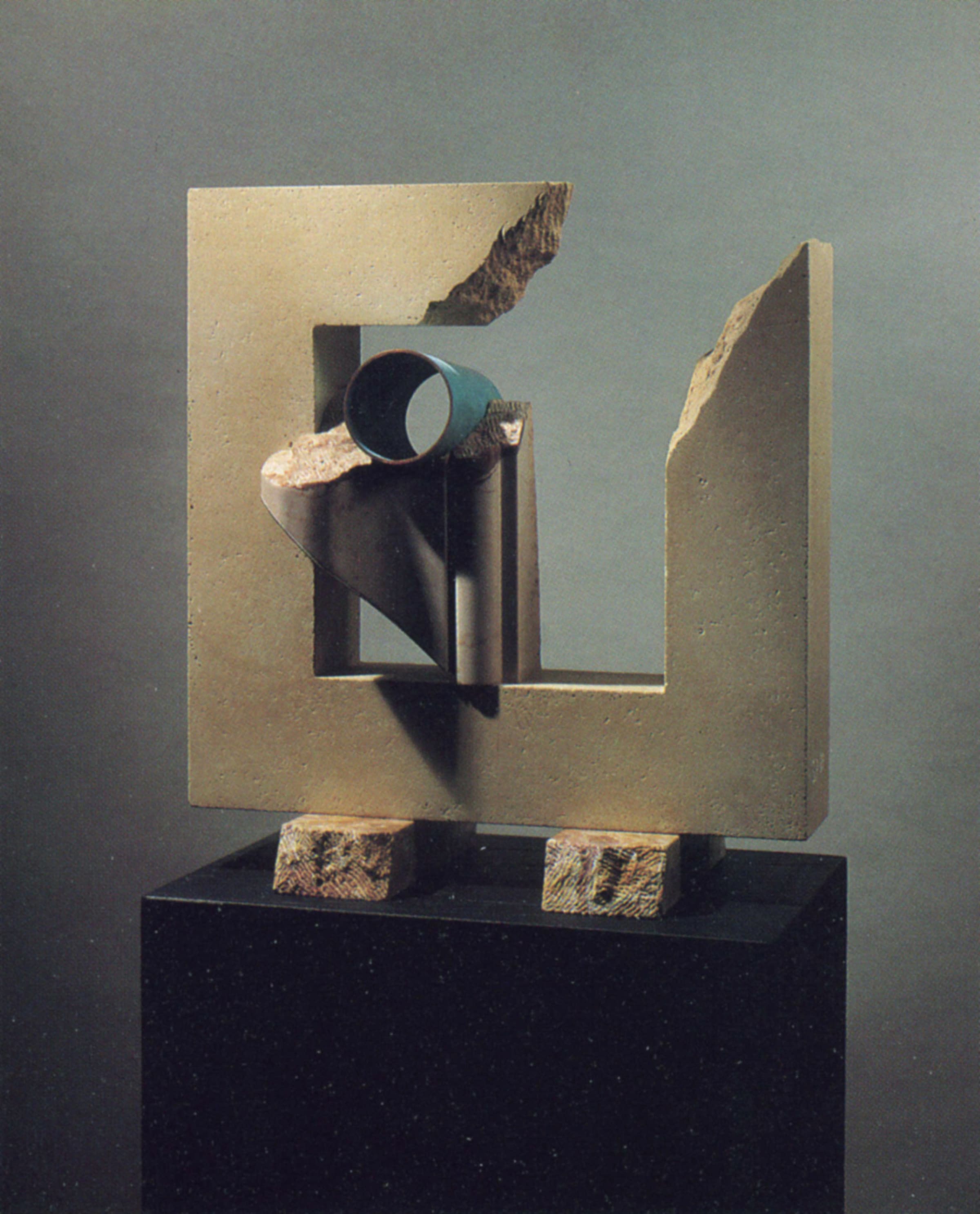
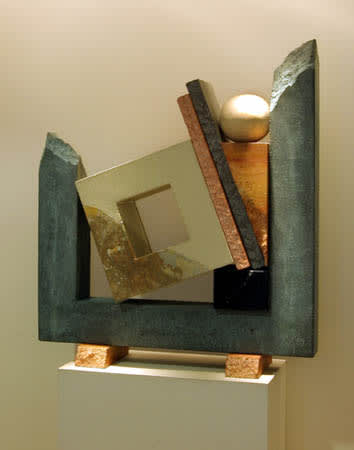
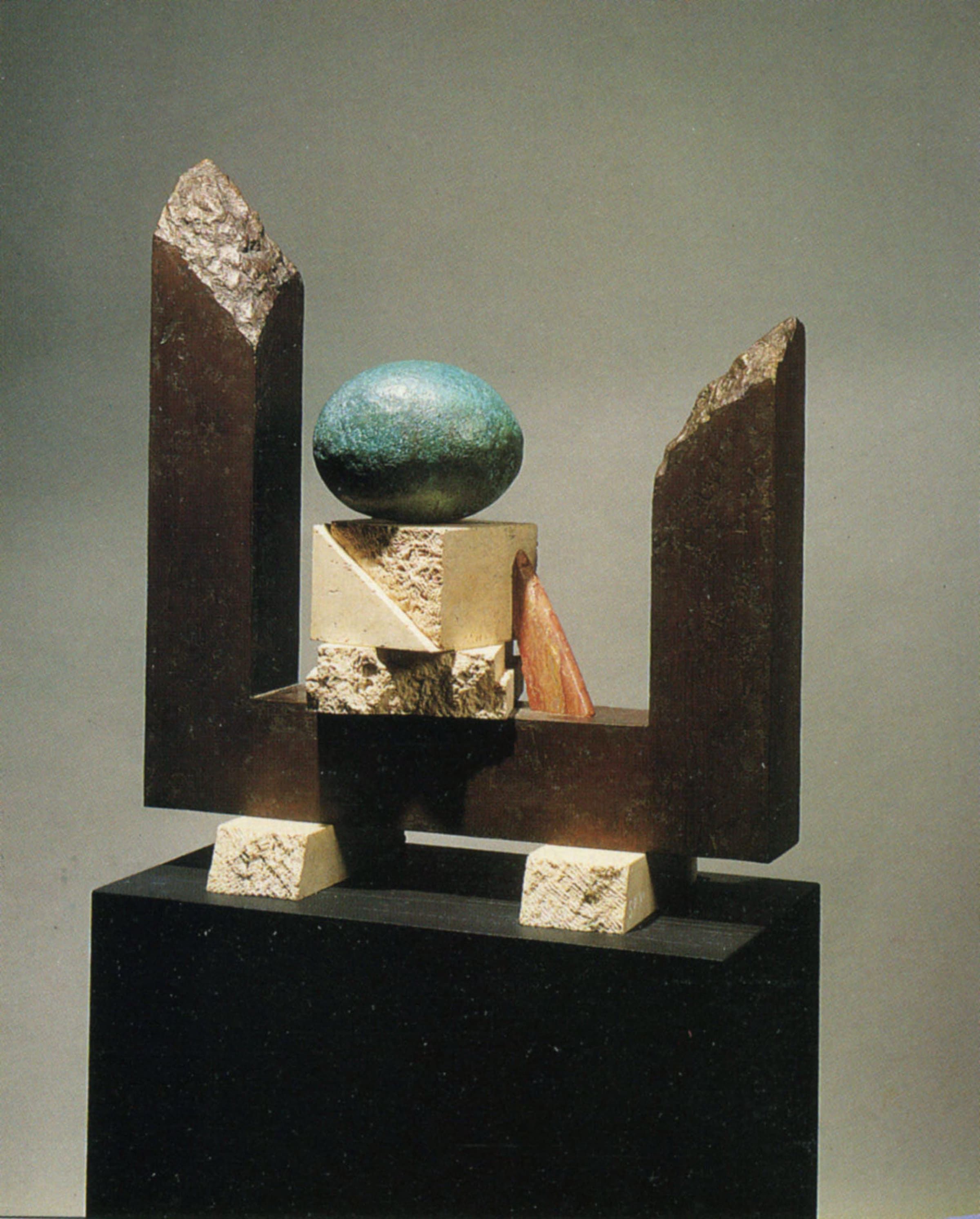
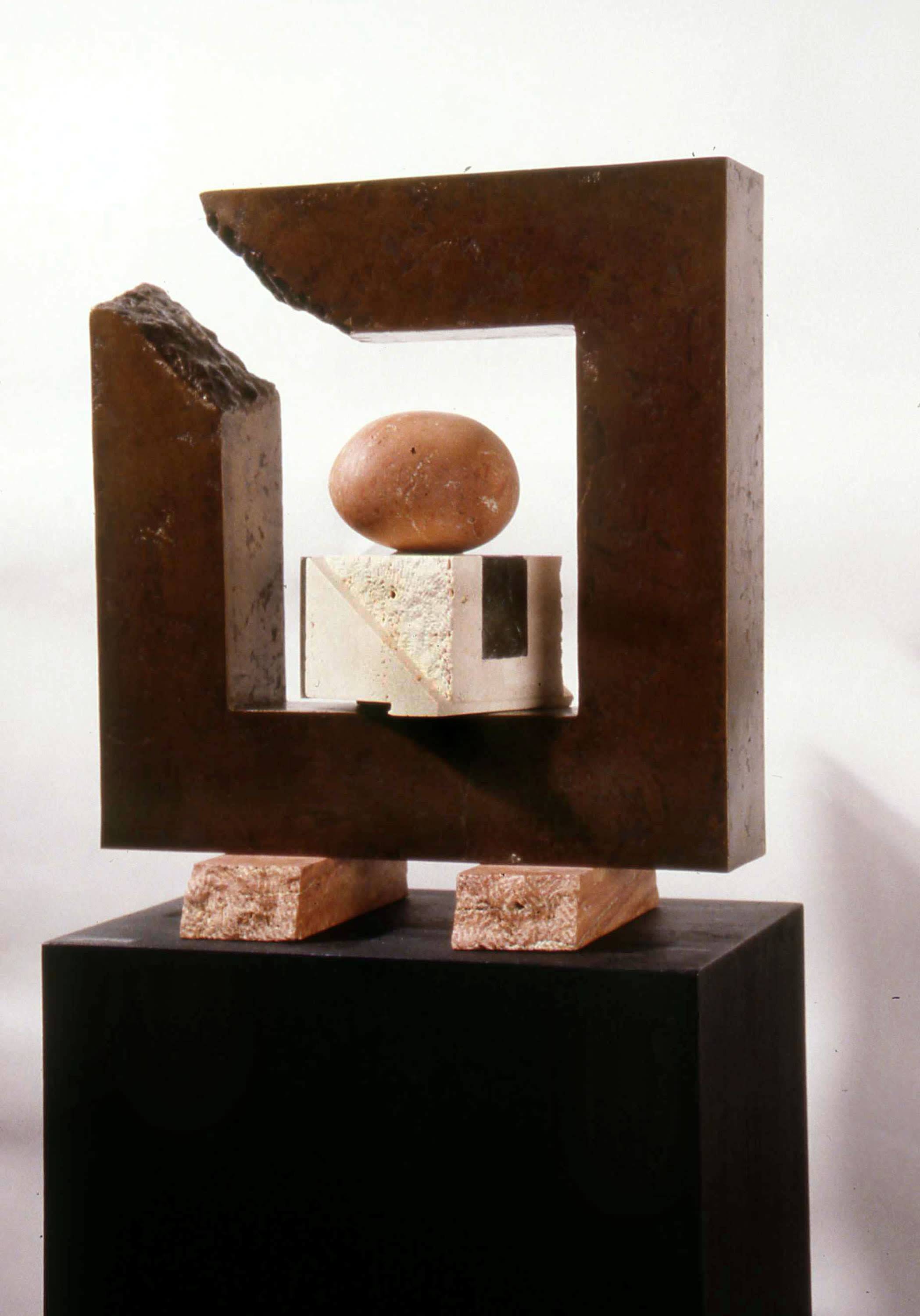
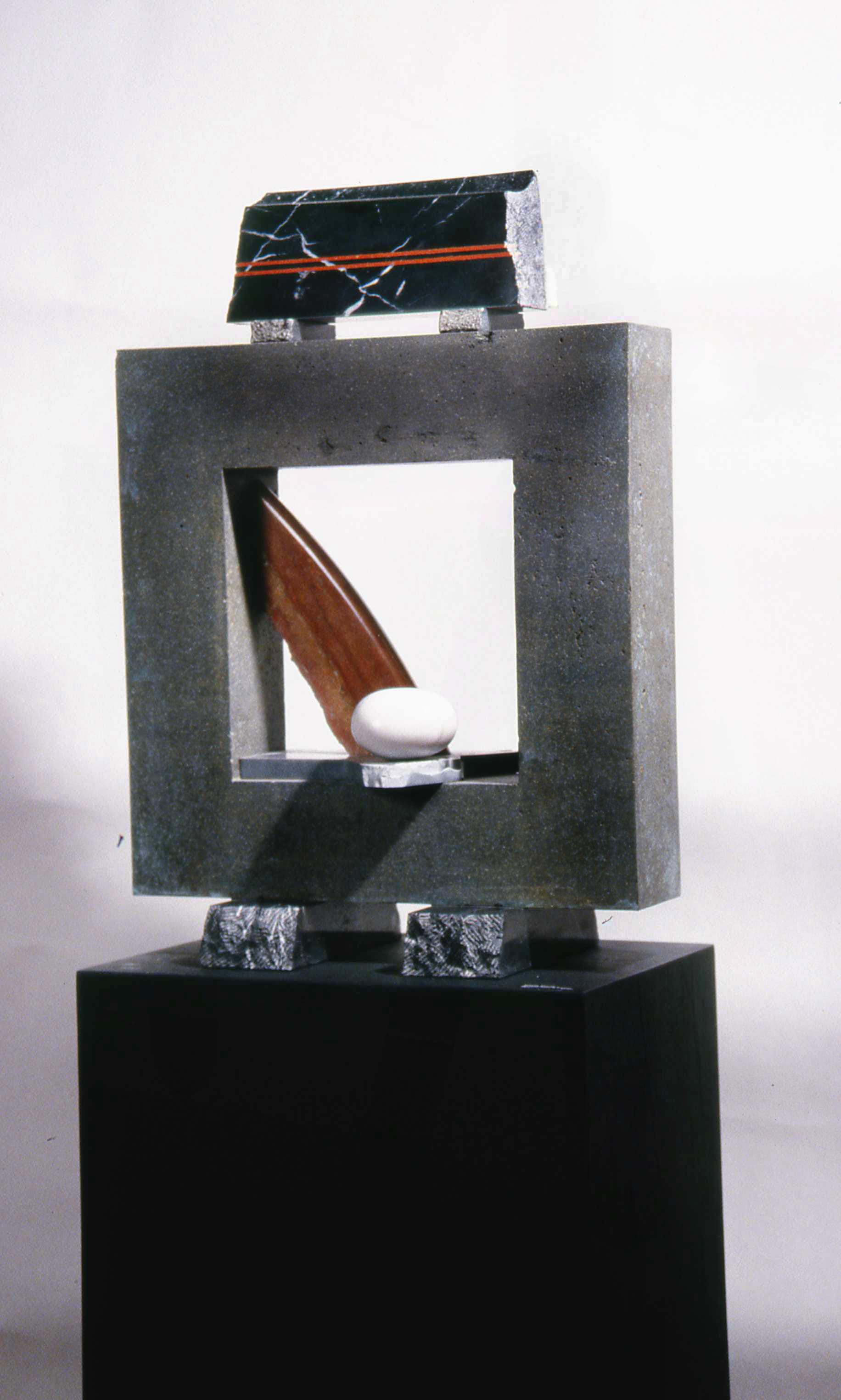
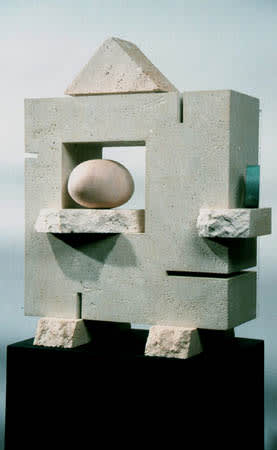
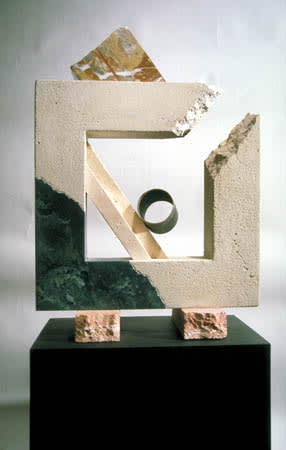
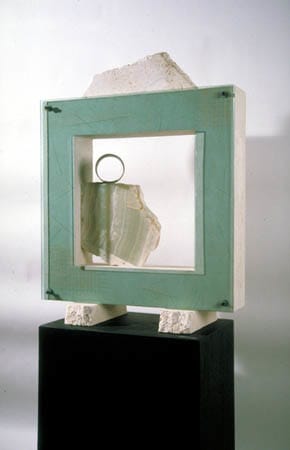
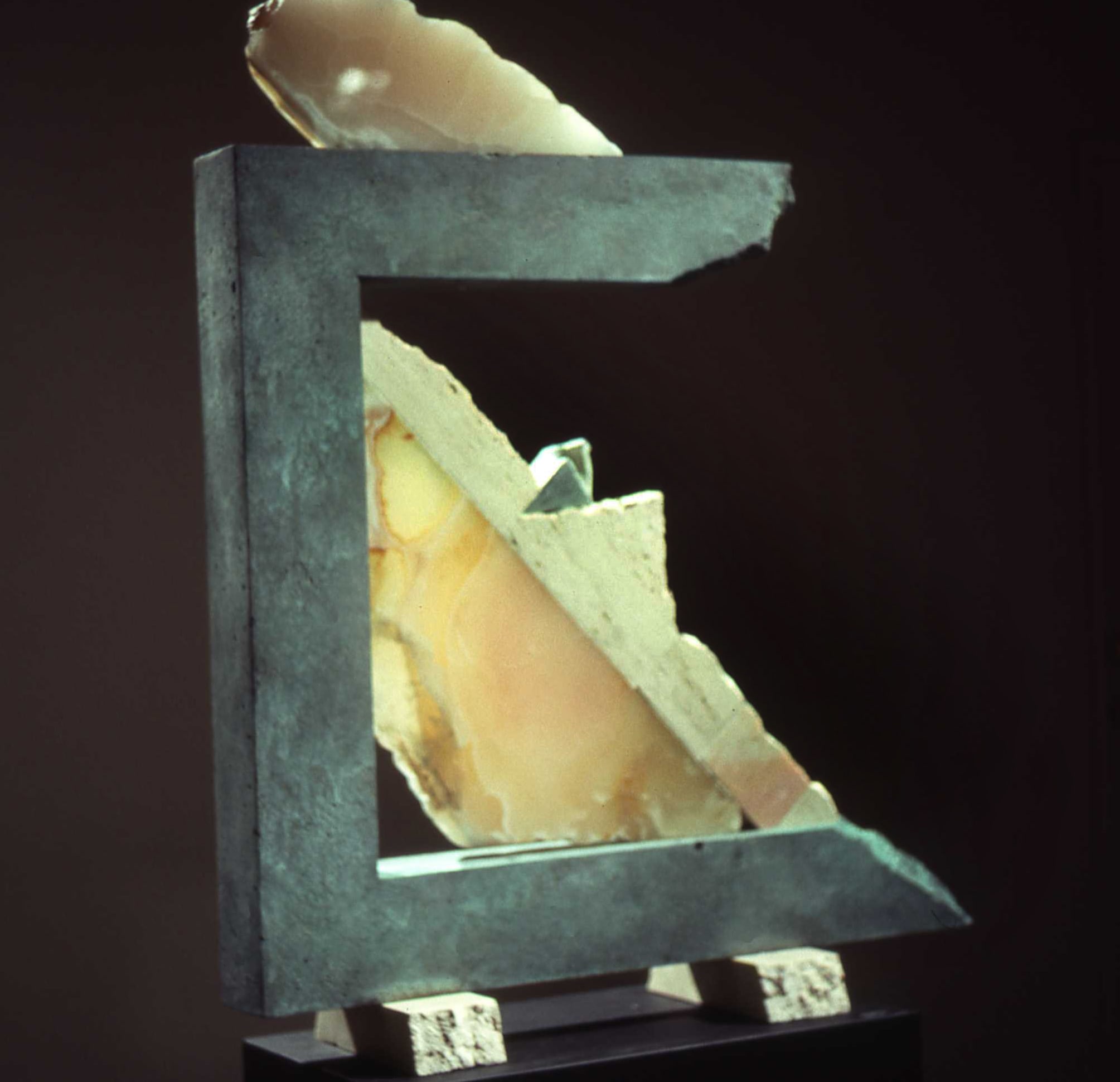
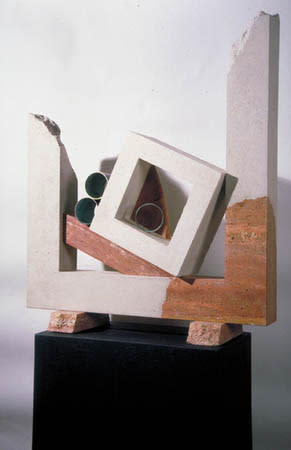
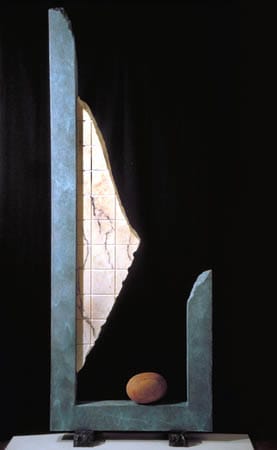
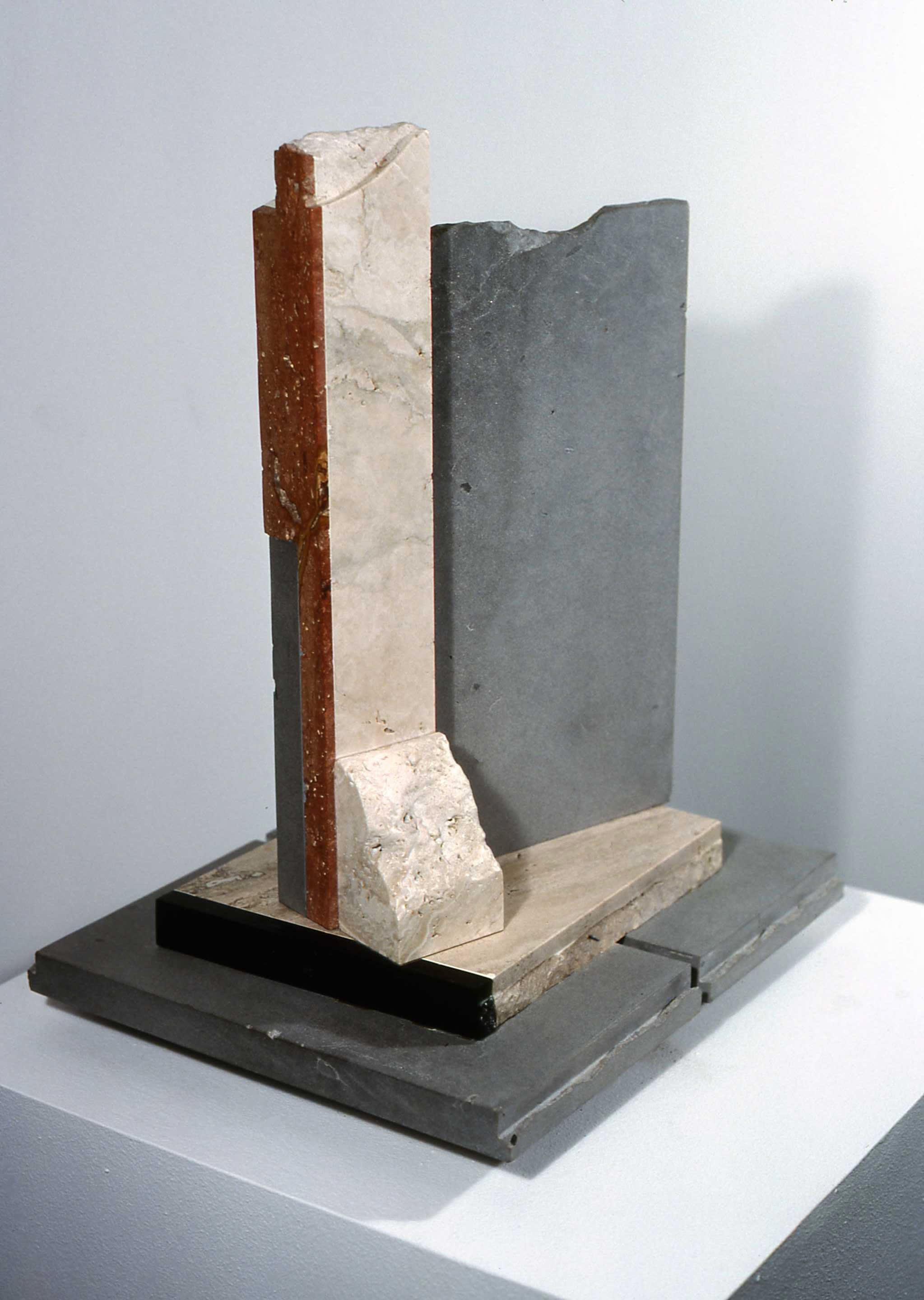
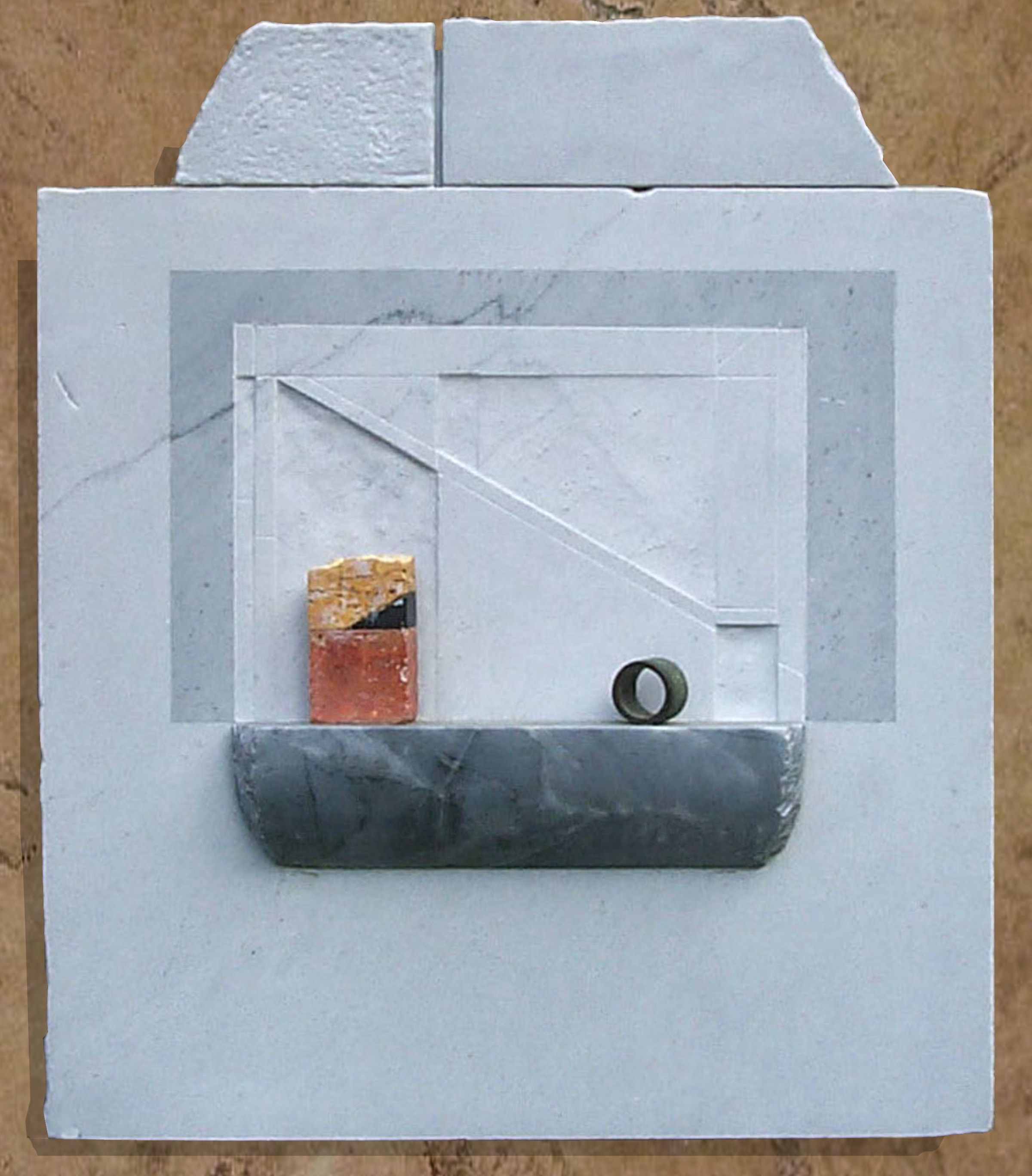
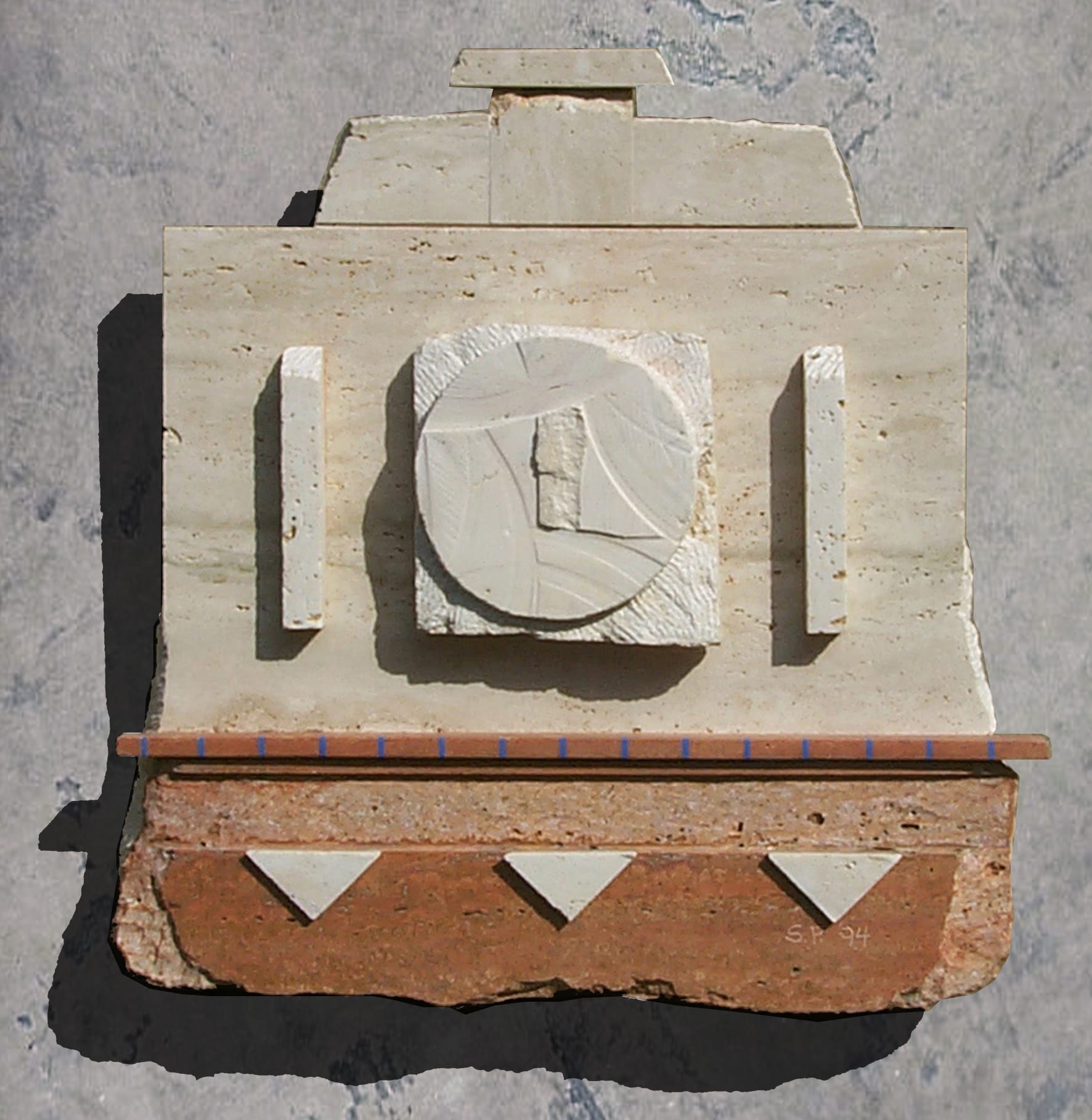
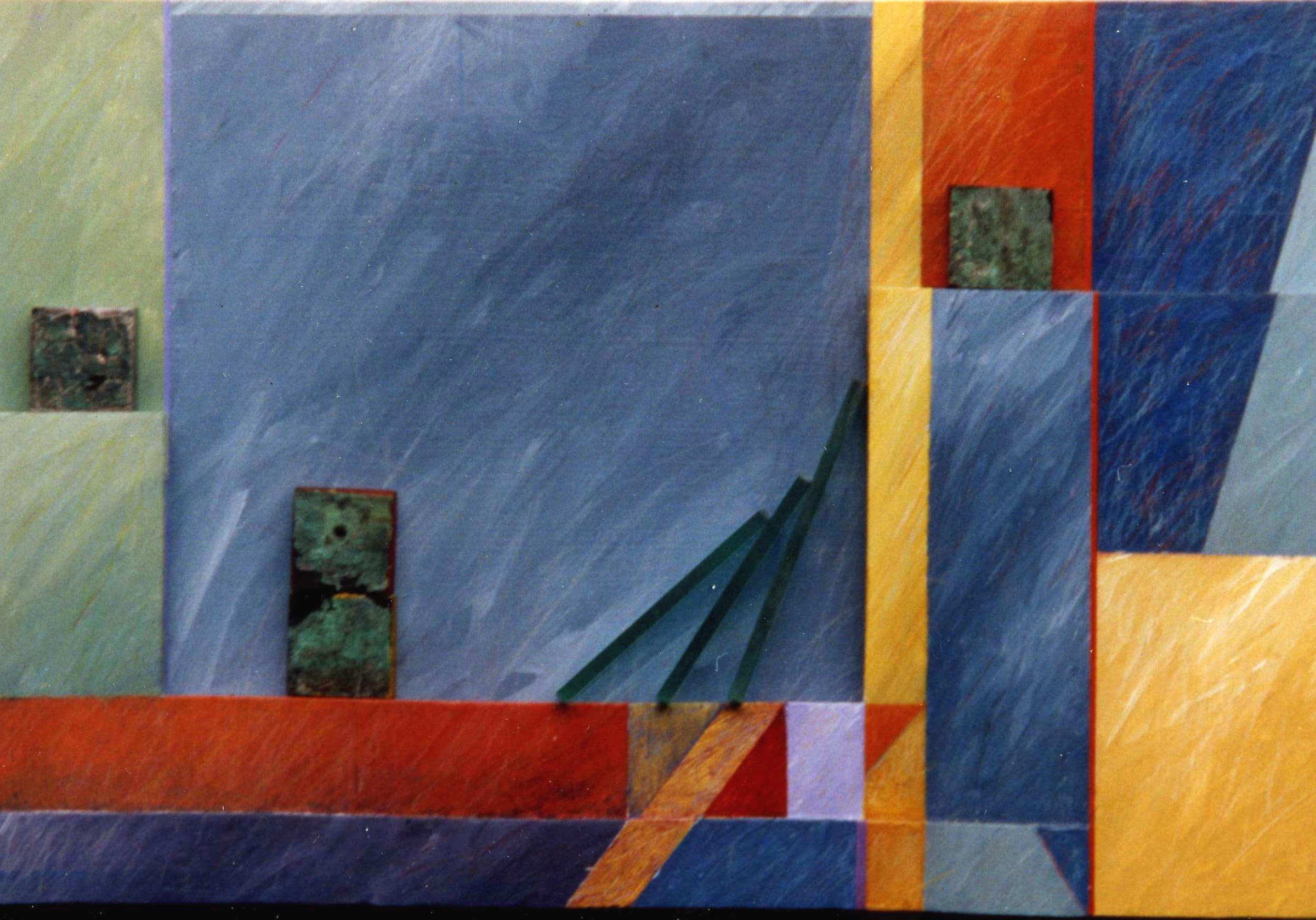
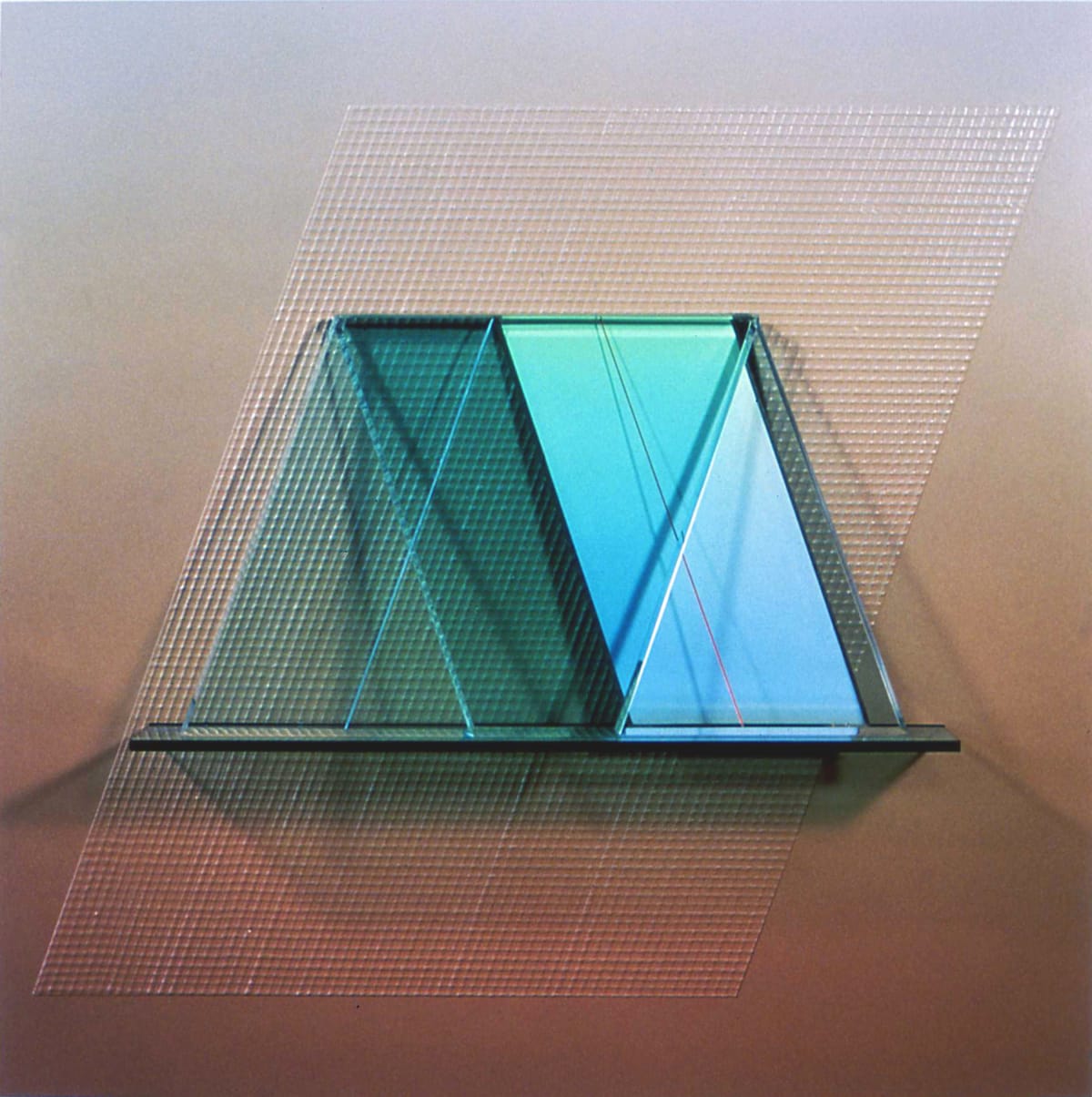
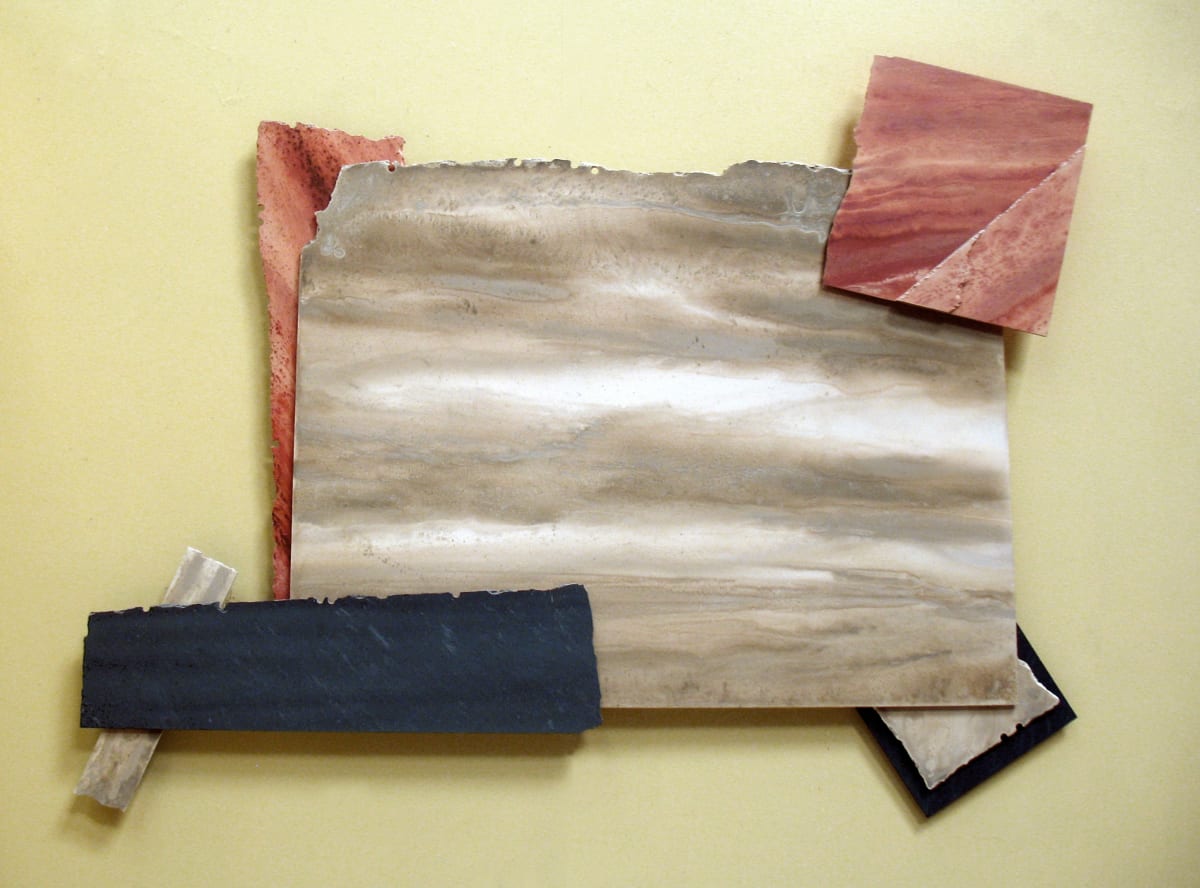
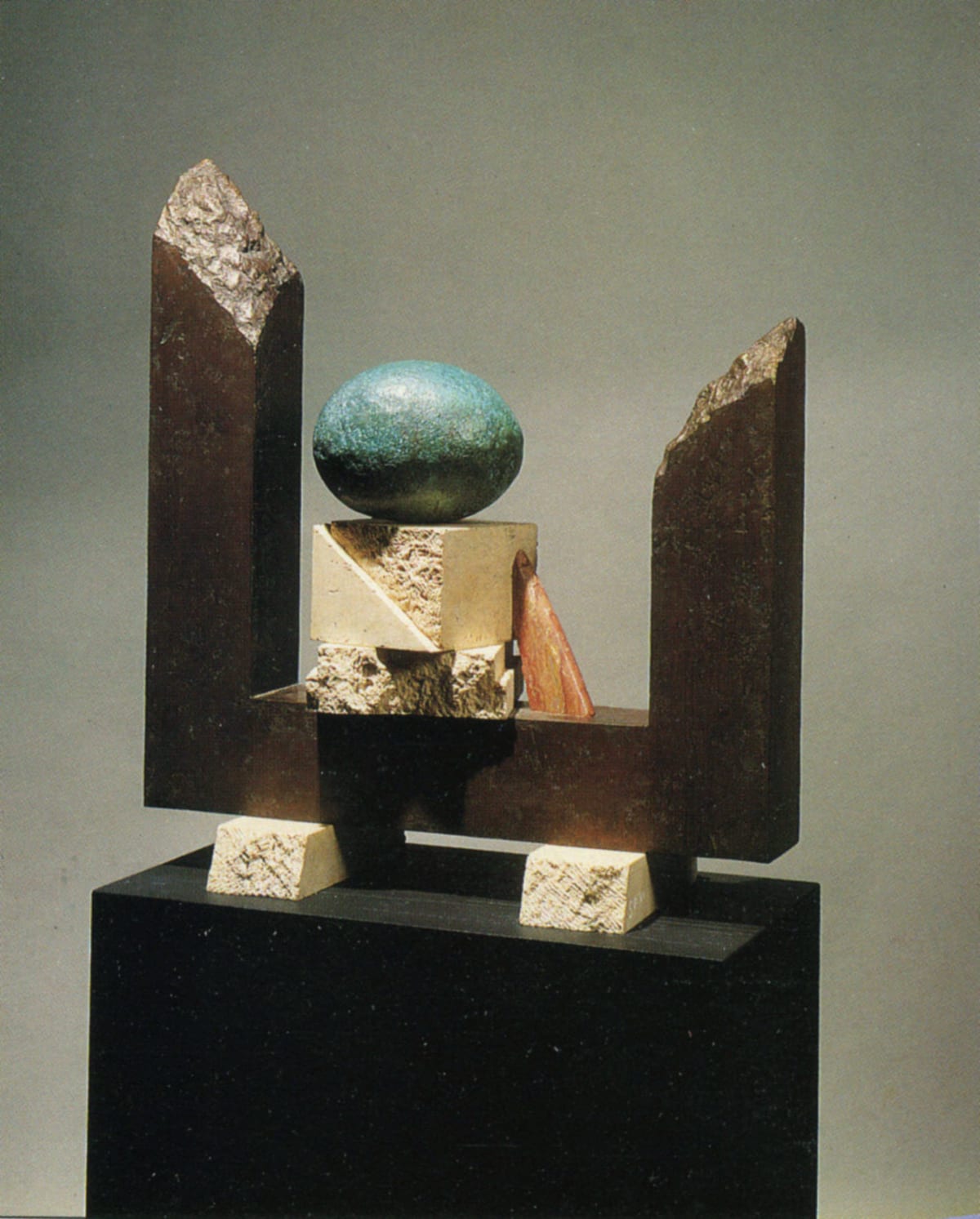
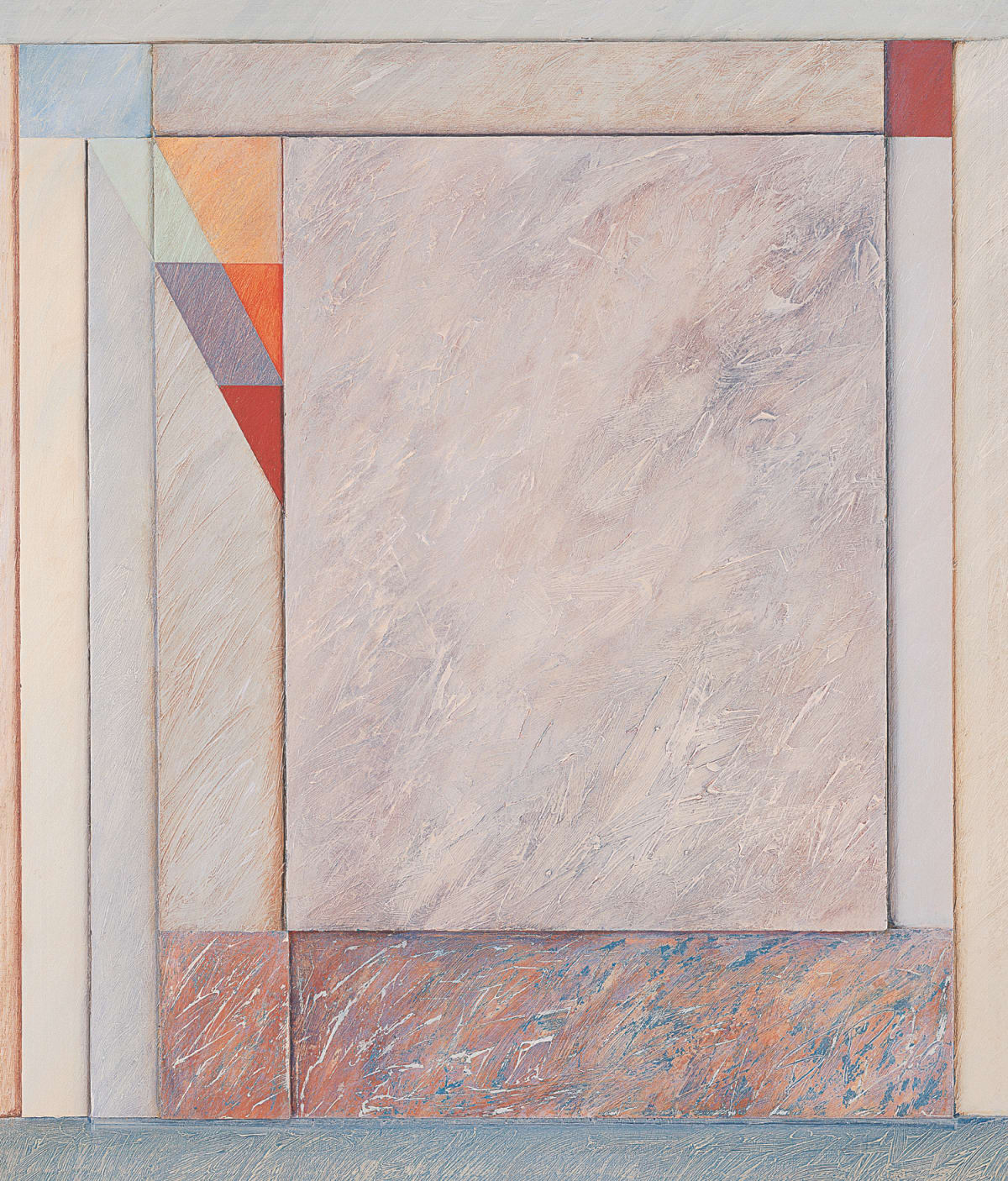
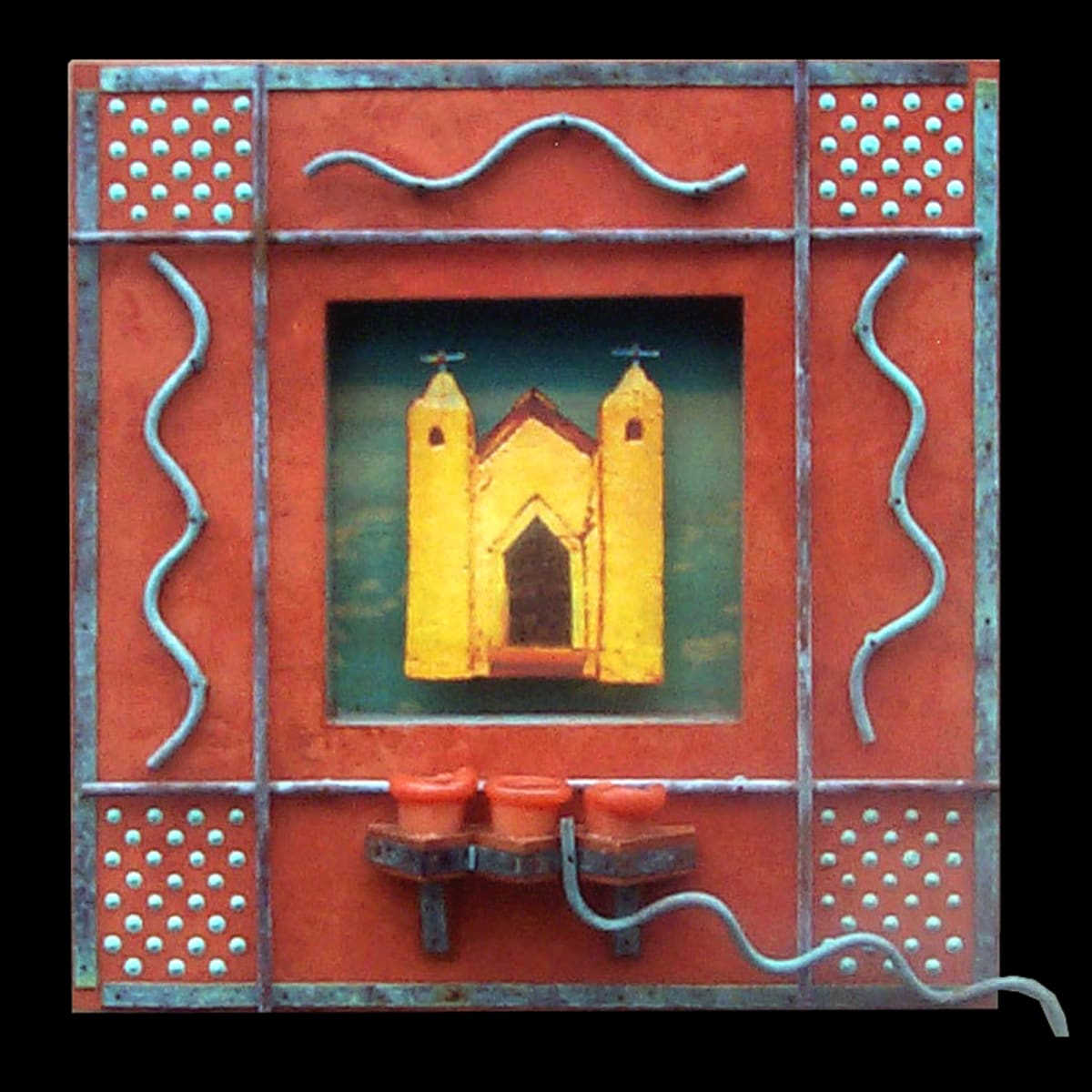
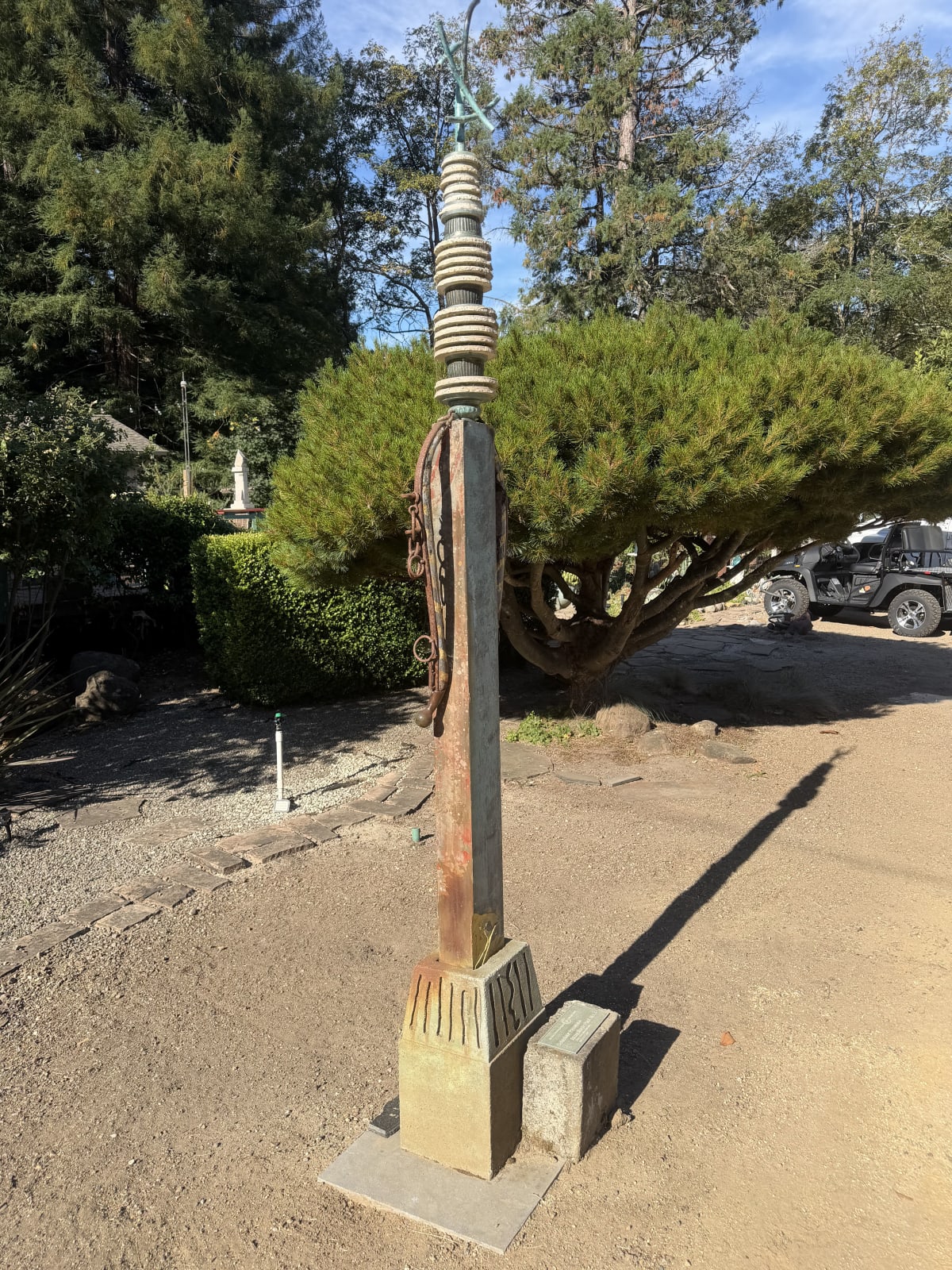
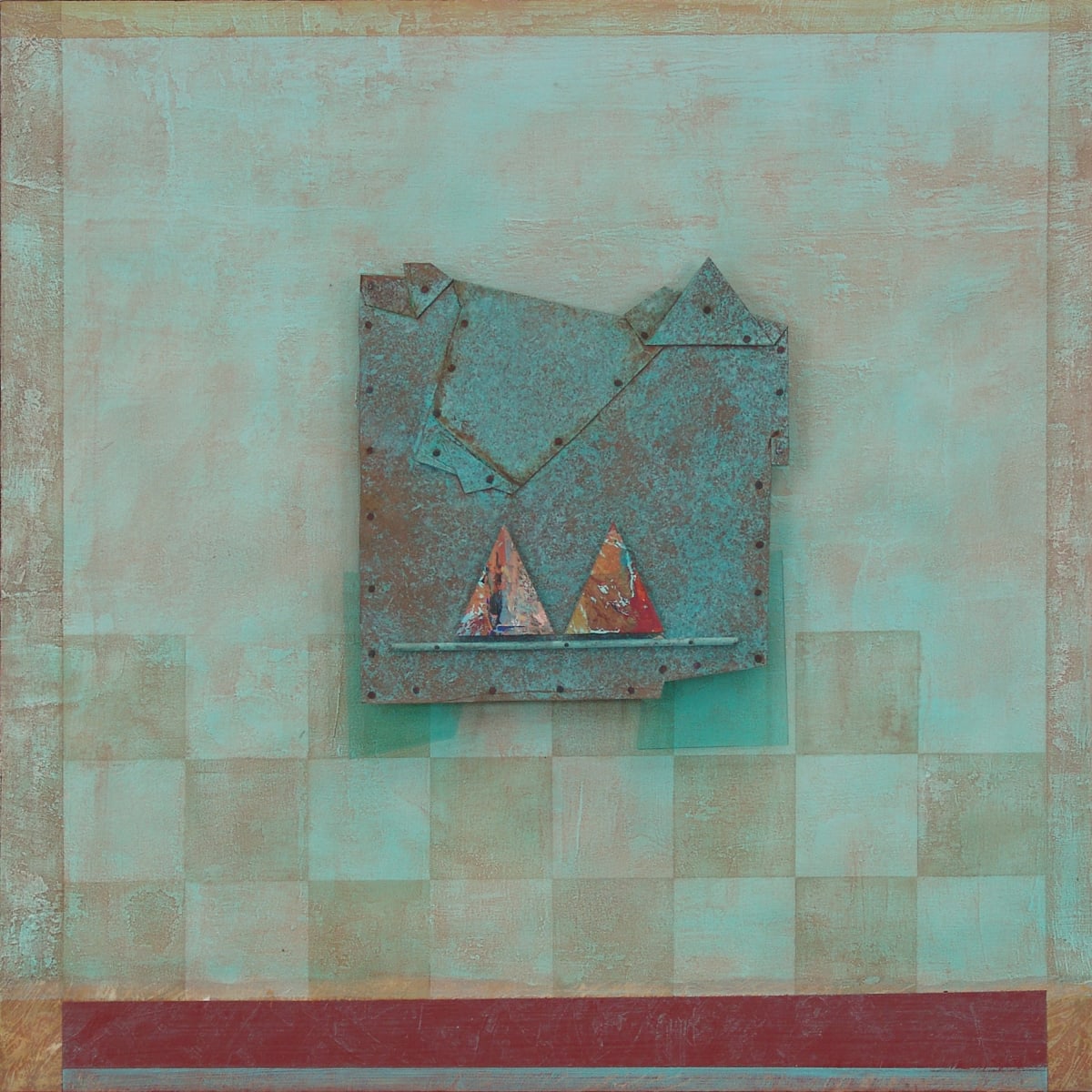
The Archaeo-Tectonic works are assemblages in that spirit: cast stone, marble, travertine, brass, and copper set in balance, weighted against each other rather than simply stacked. Pecoraro wanted the tension of counterbalance, not the resolved certainty of post and lintel — structures that look excavated rather than built, fragments of a civilization that never quite existed.