1936–2025
Sky Paintings (1968–1976)
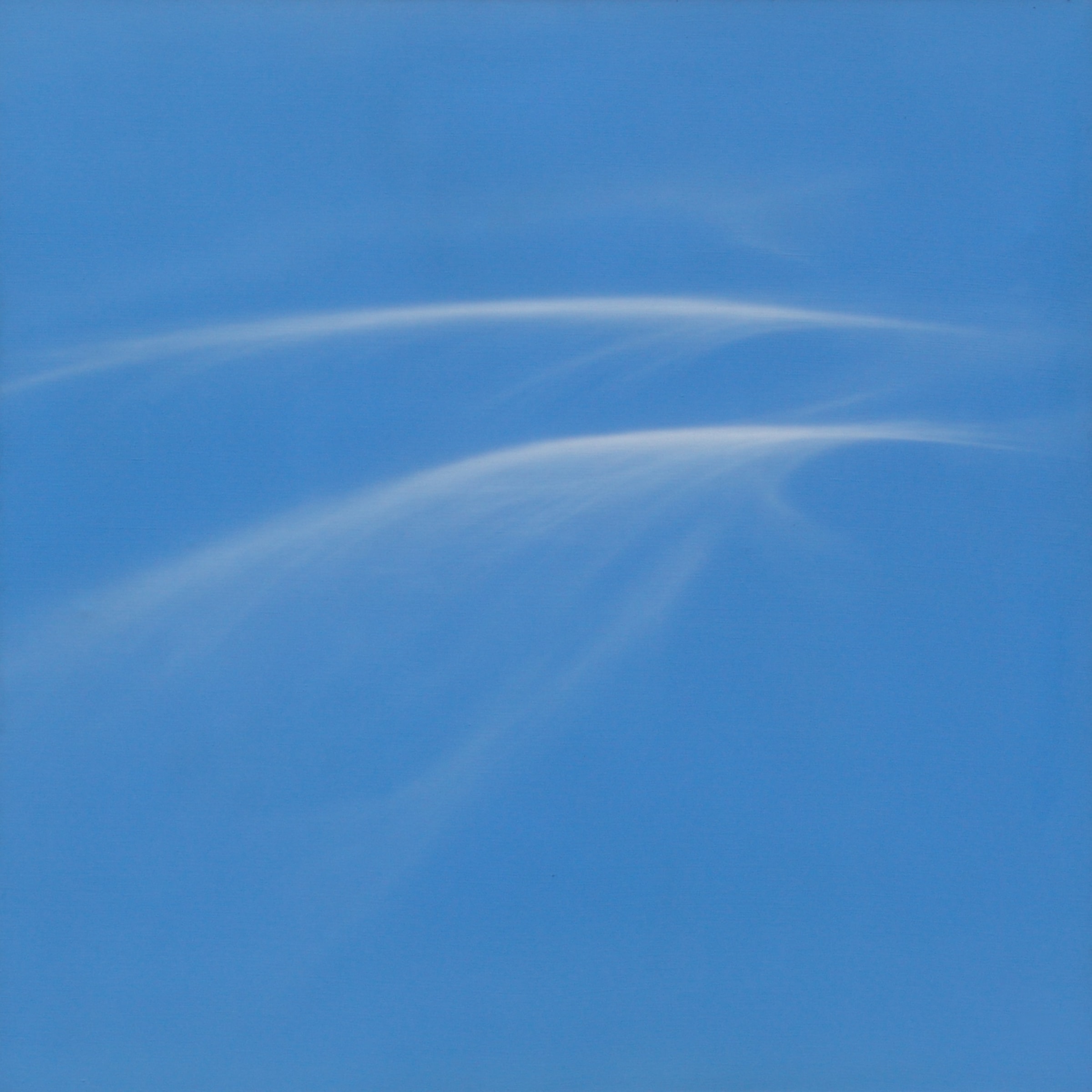
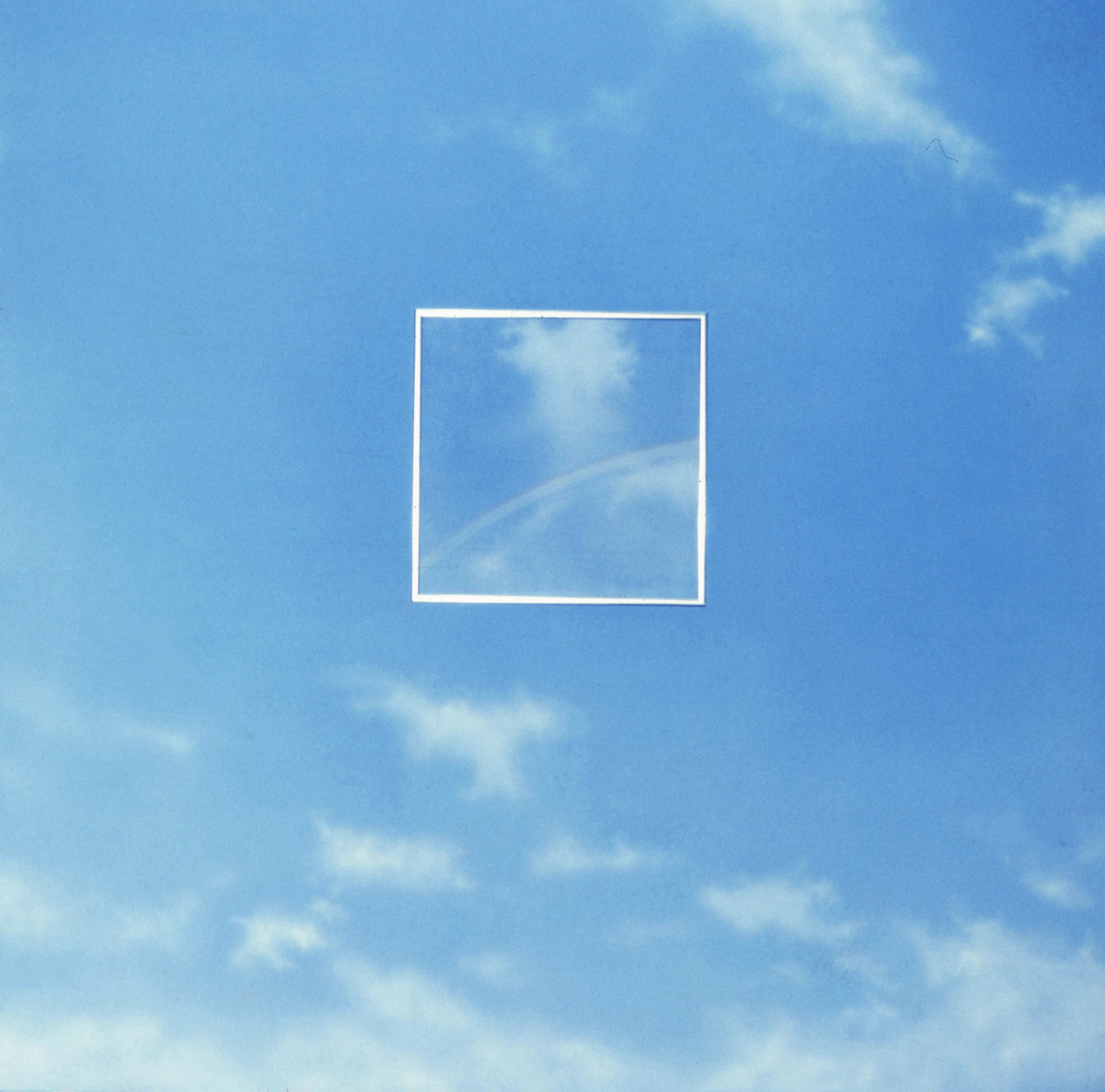
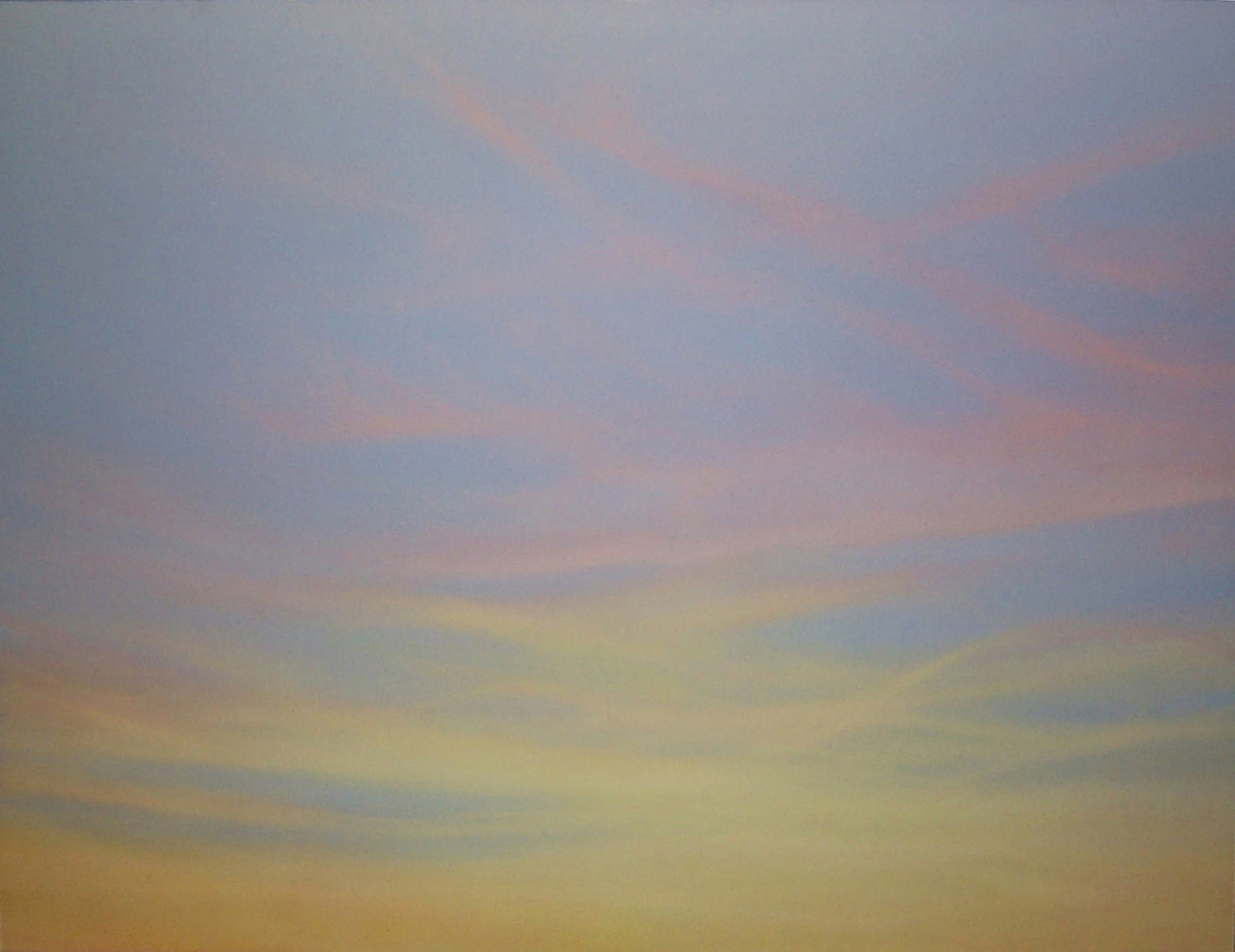
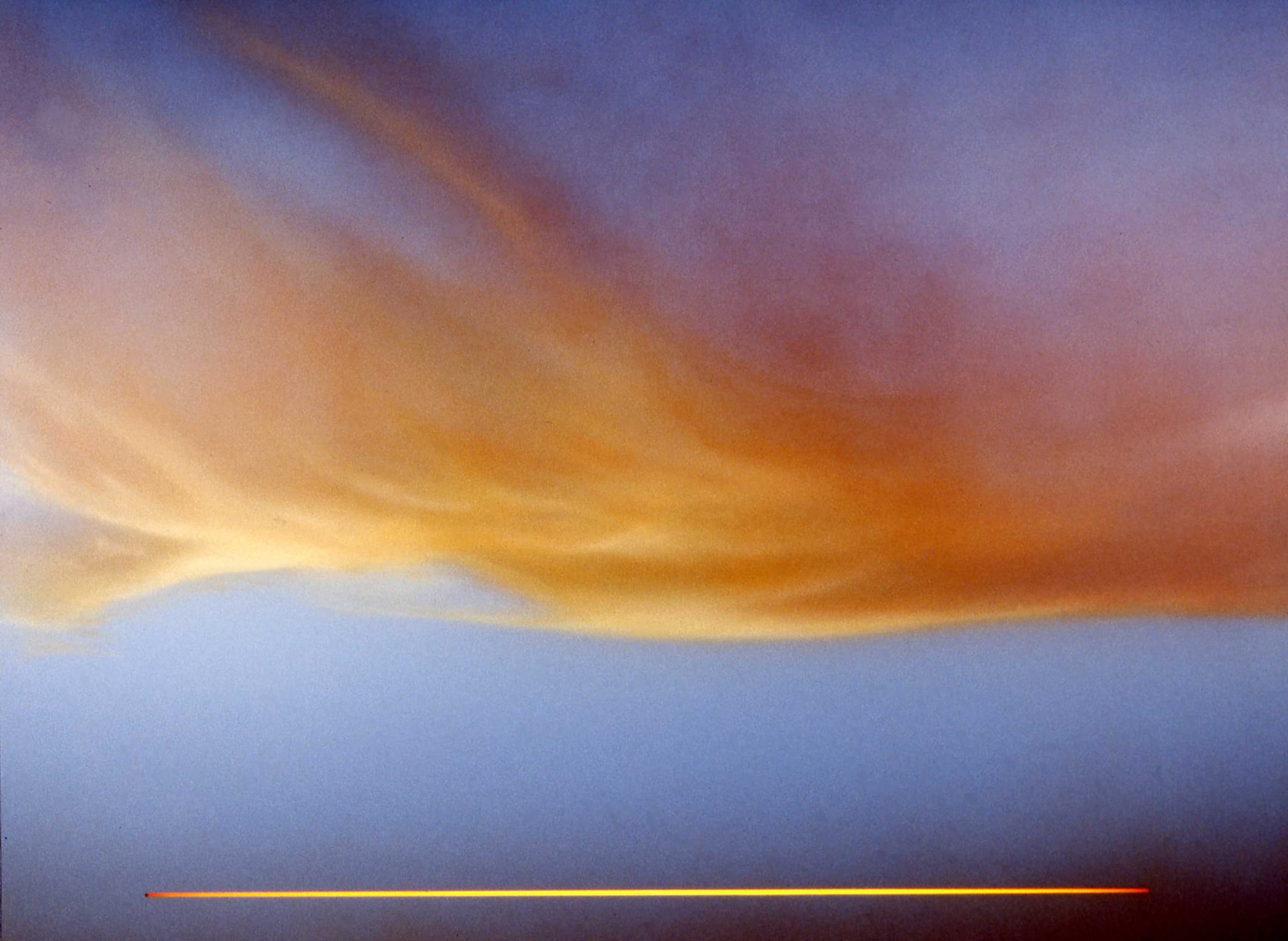
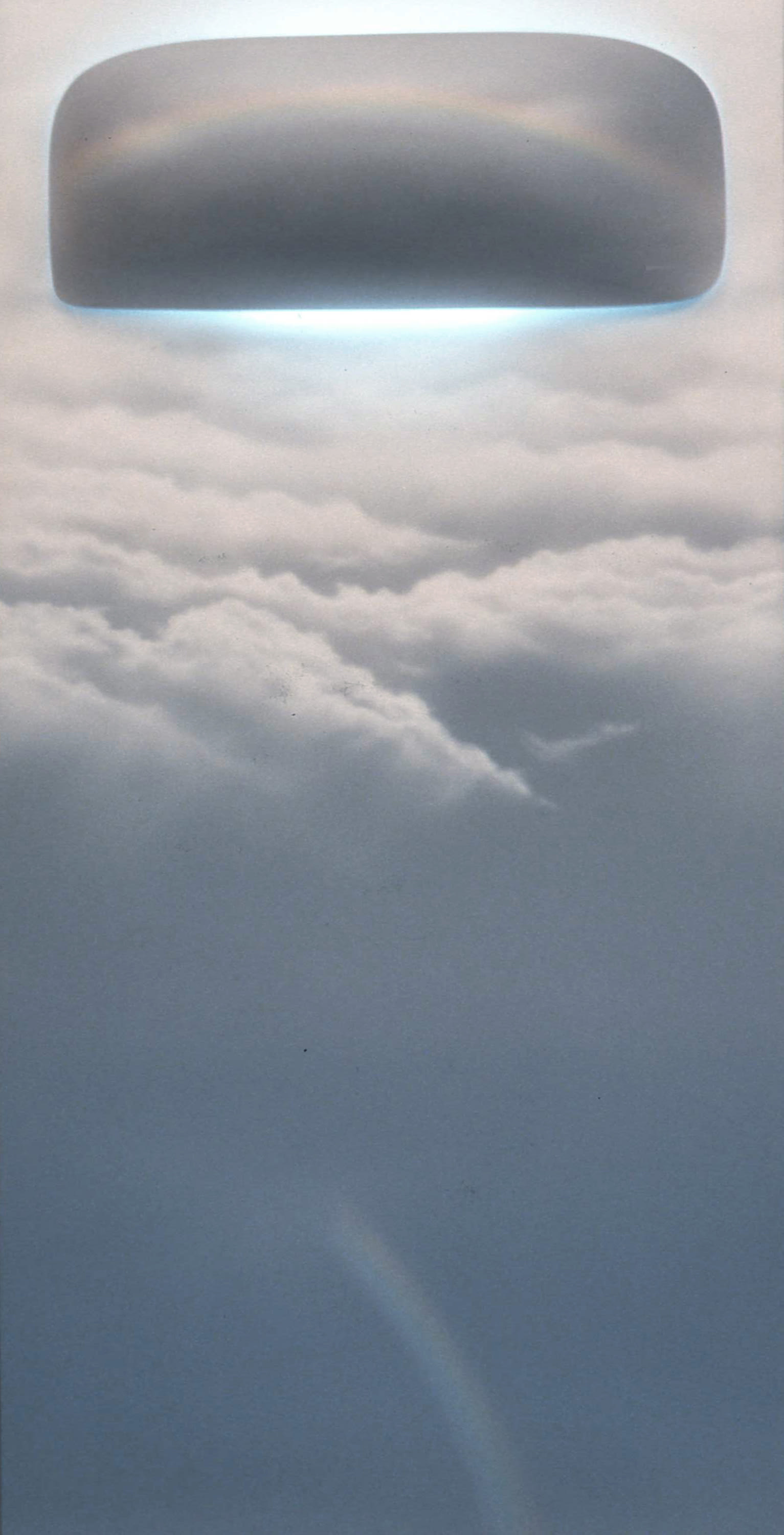
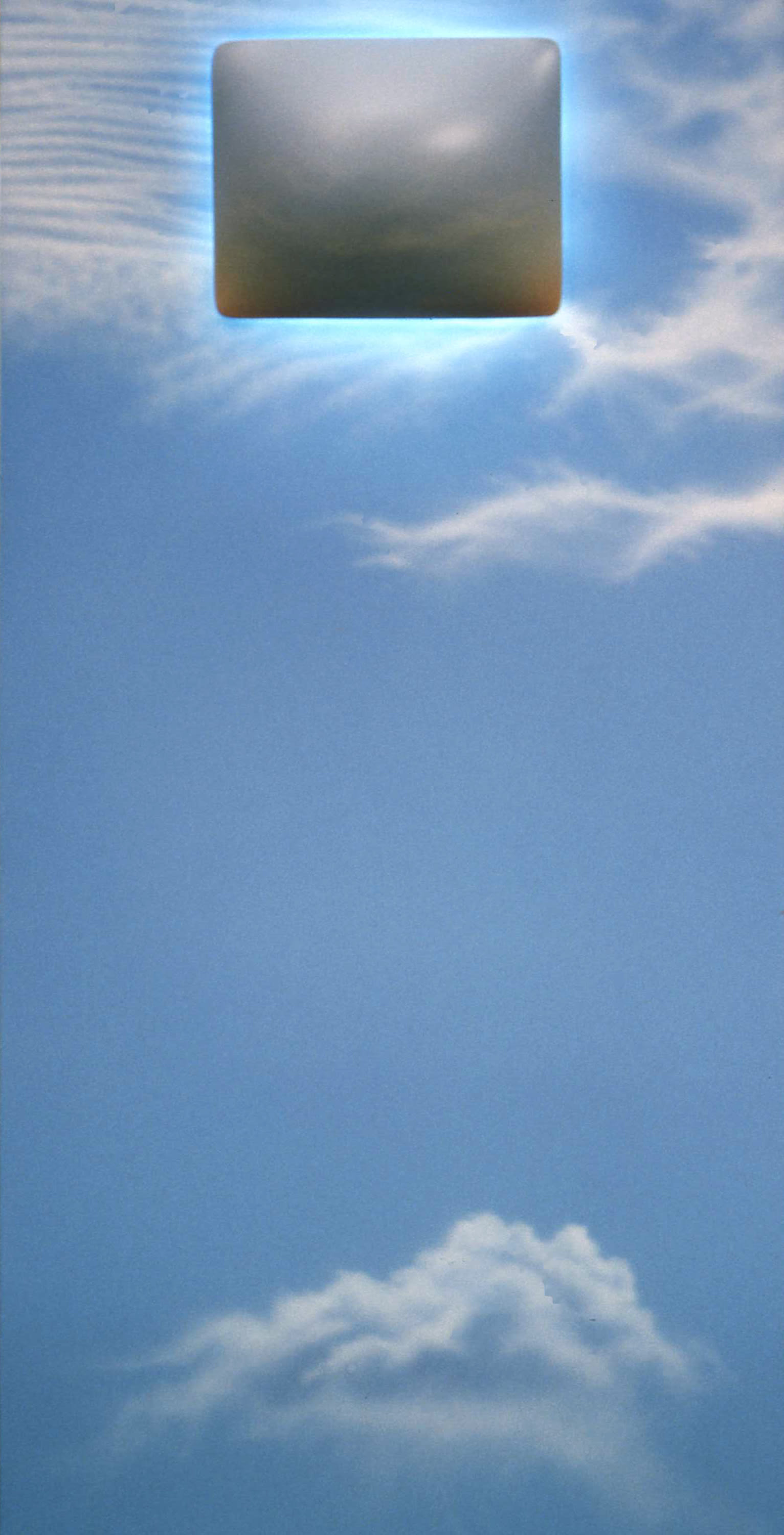
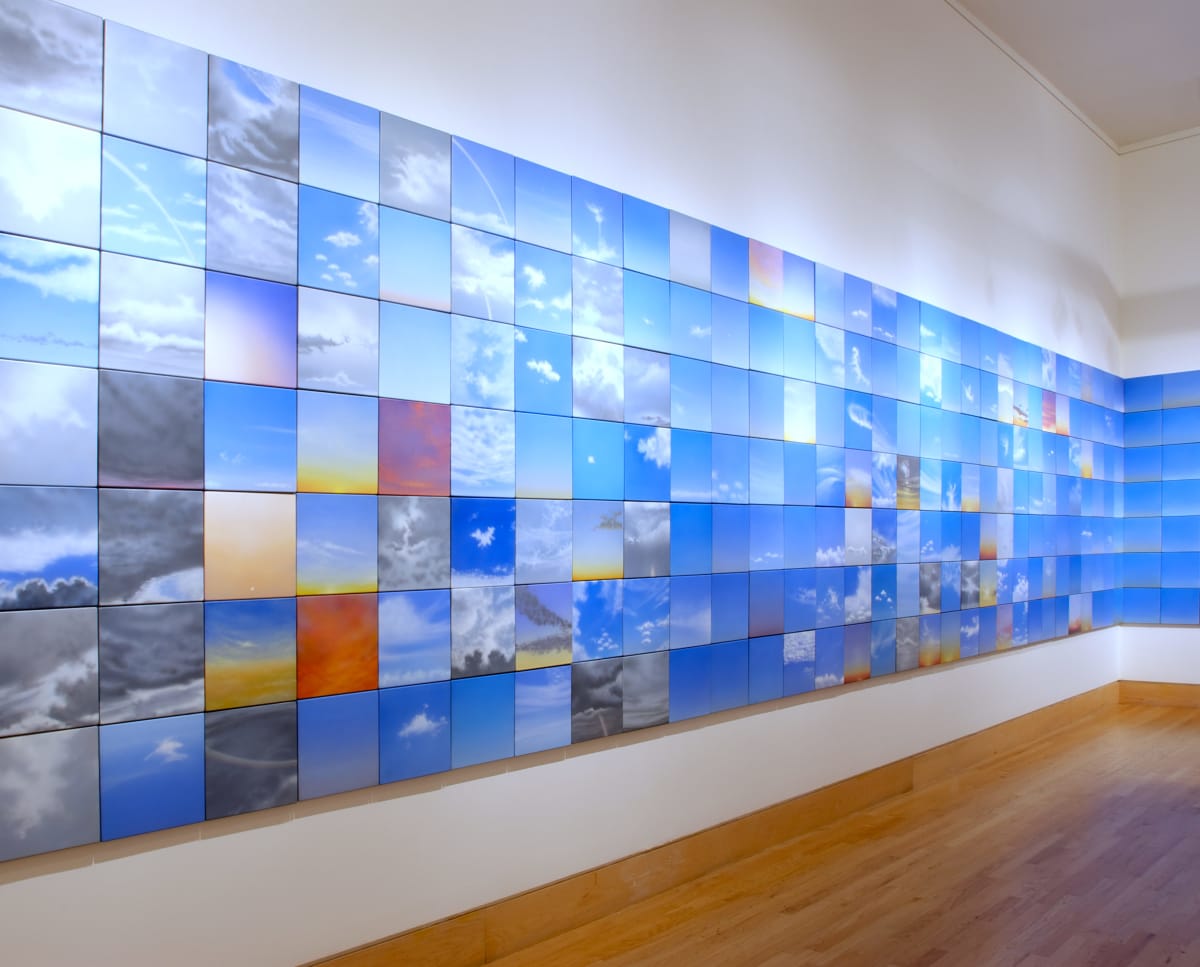
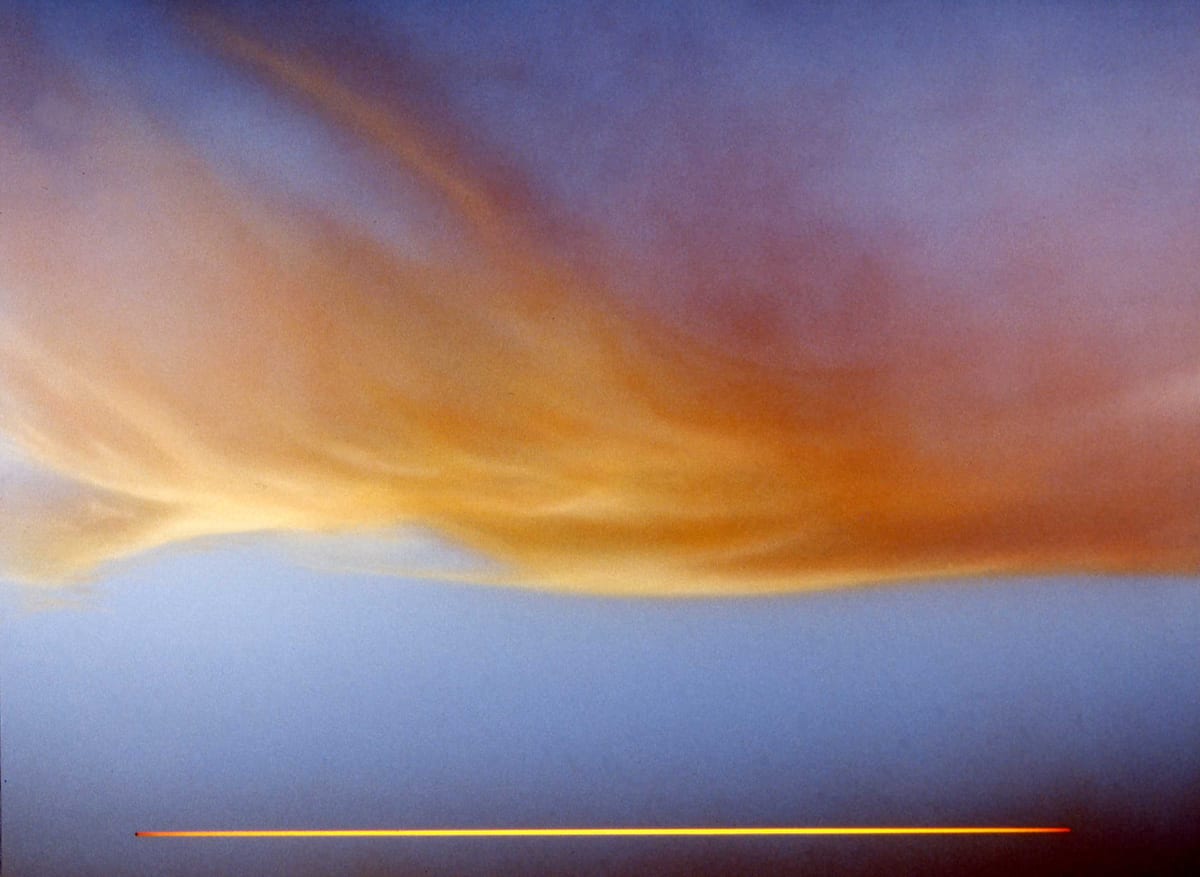
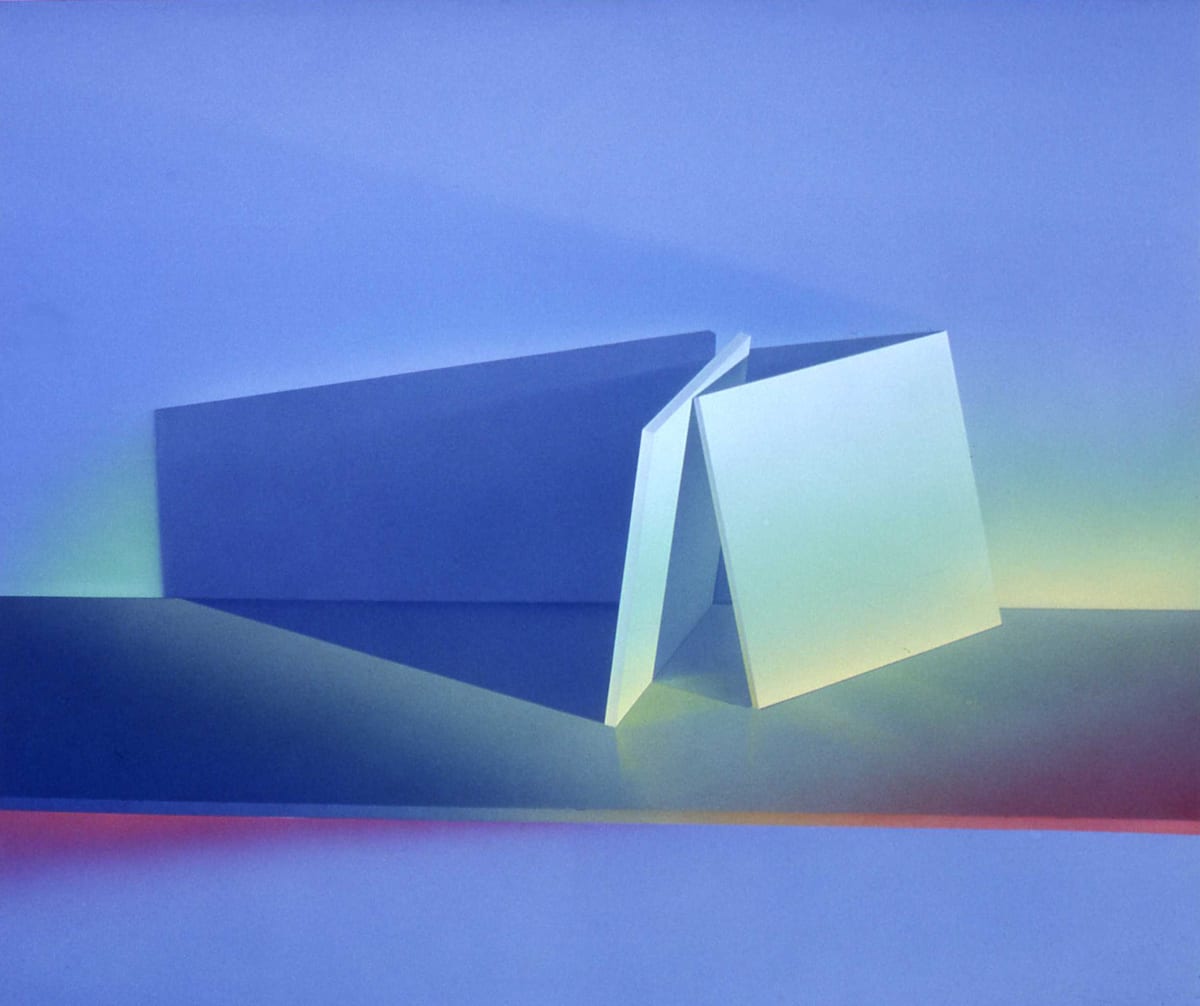
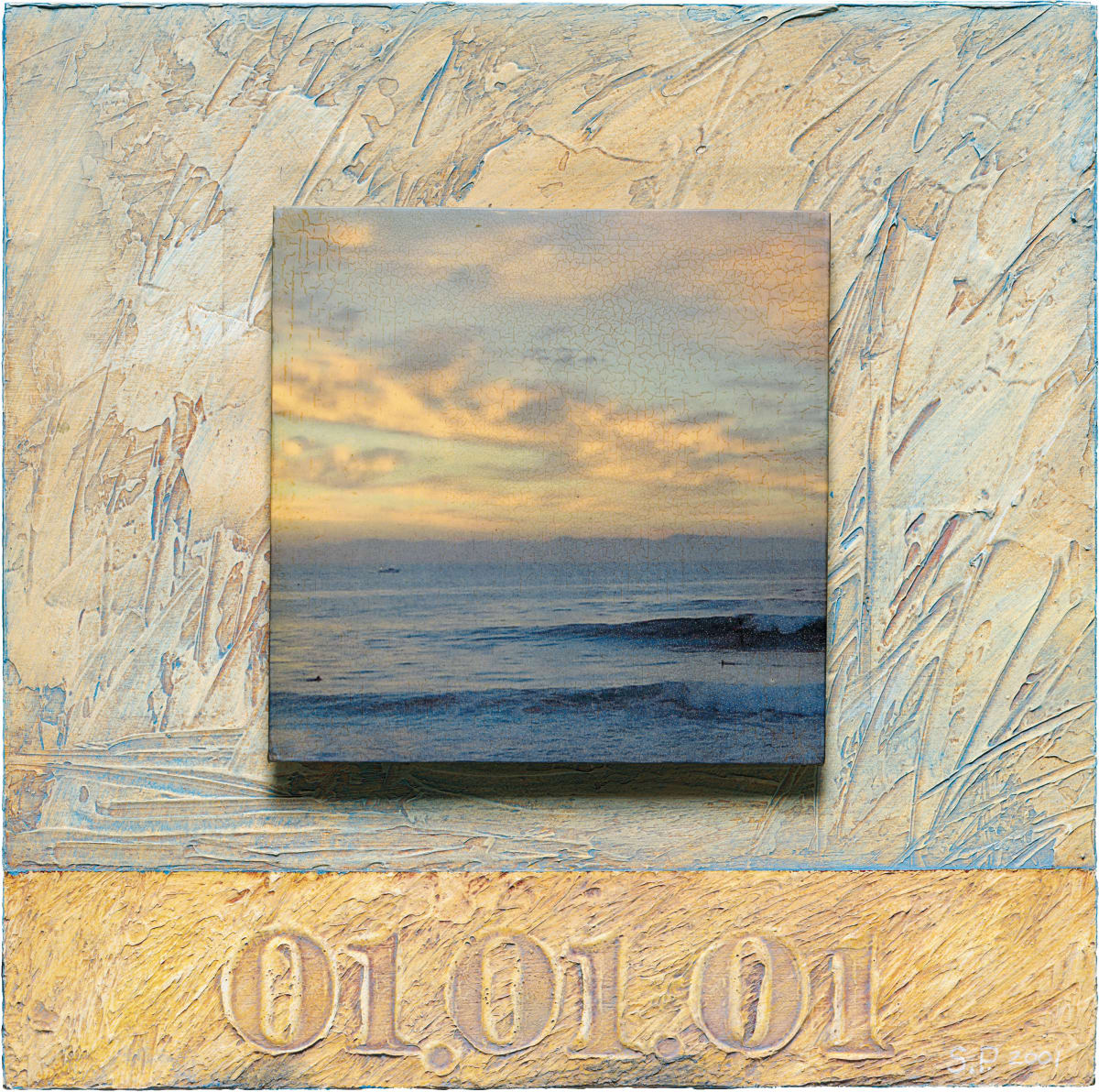
The sky arrived in Salvatore Pecoraro’s work almost by accident and then refused to leave. It began as background — clouds and rainbows behind the figures of the Pinole series — until the figures dropped away and the horizon became the subject. A reviewer’s error accelerated everything: in 1967 a critic described his surfaces as airbrushed, and Pecoraro, who had never touched an airbrush, went out and bought one. Gone was the cramped hand holding a toothbrush at just the right angle; in its place, gradations of color he could not have painted any other way. The horizon thinned to a single line, drifted toward the bottom edge, and the land beneath it fragmented. After 365 Skies, the paintings grew — 68 inches square and larger — and took their titles from dates and compass bearings, marking not just when a sky was seen but which way the artist was facing.
Resin, Light & Skies (1971–1972)
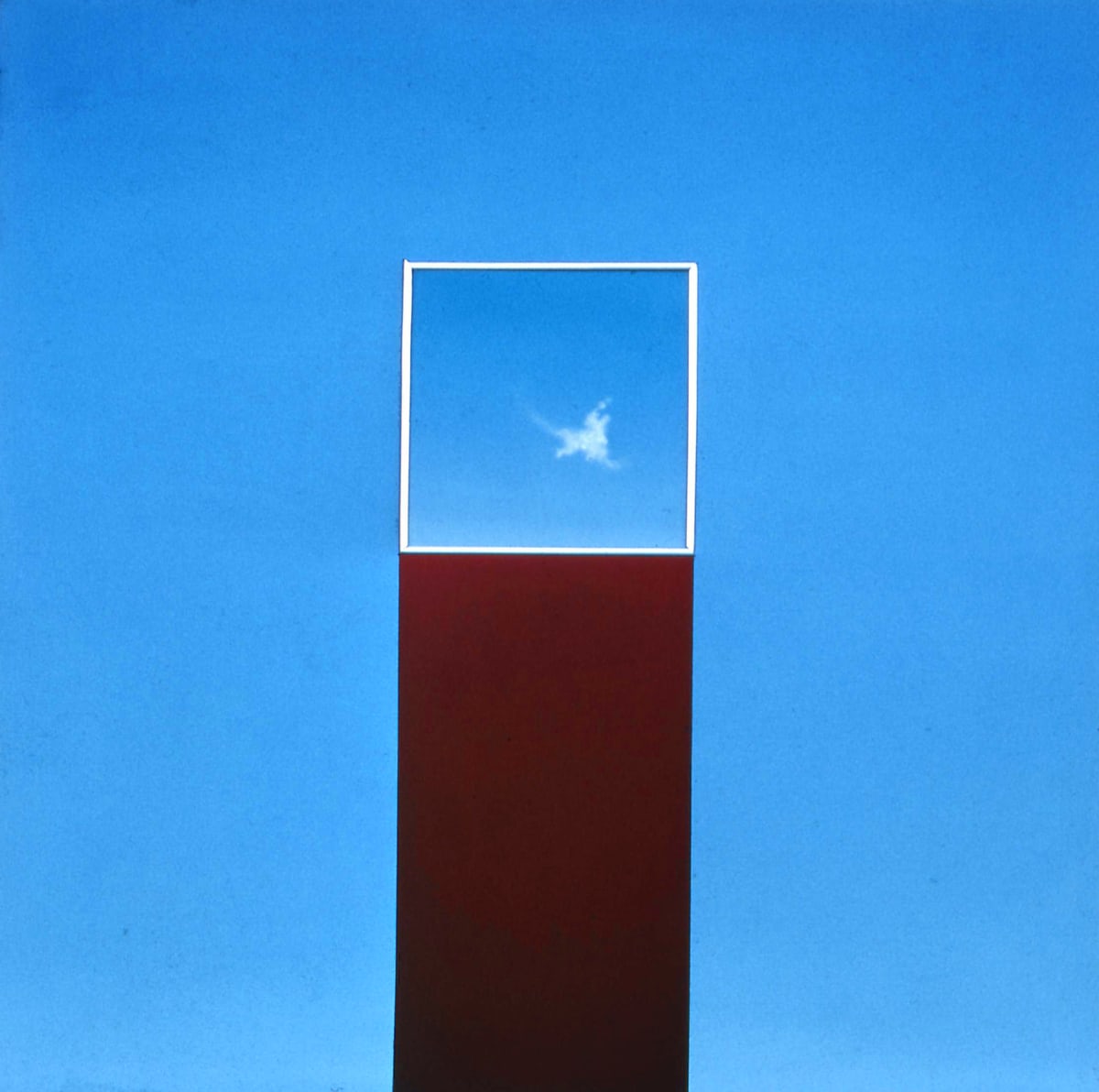
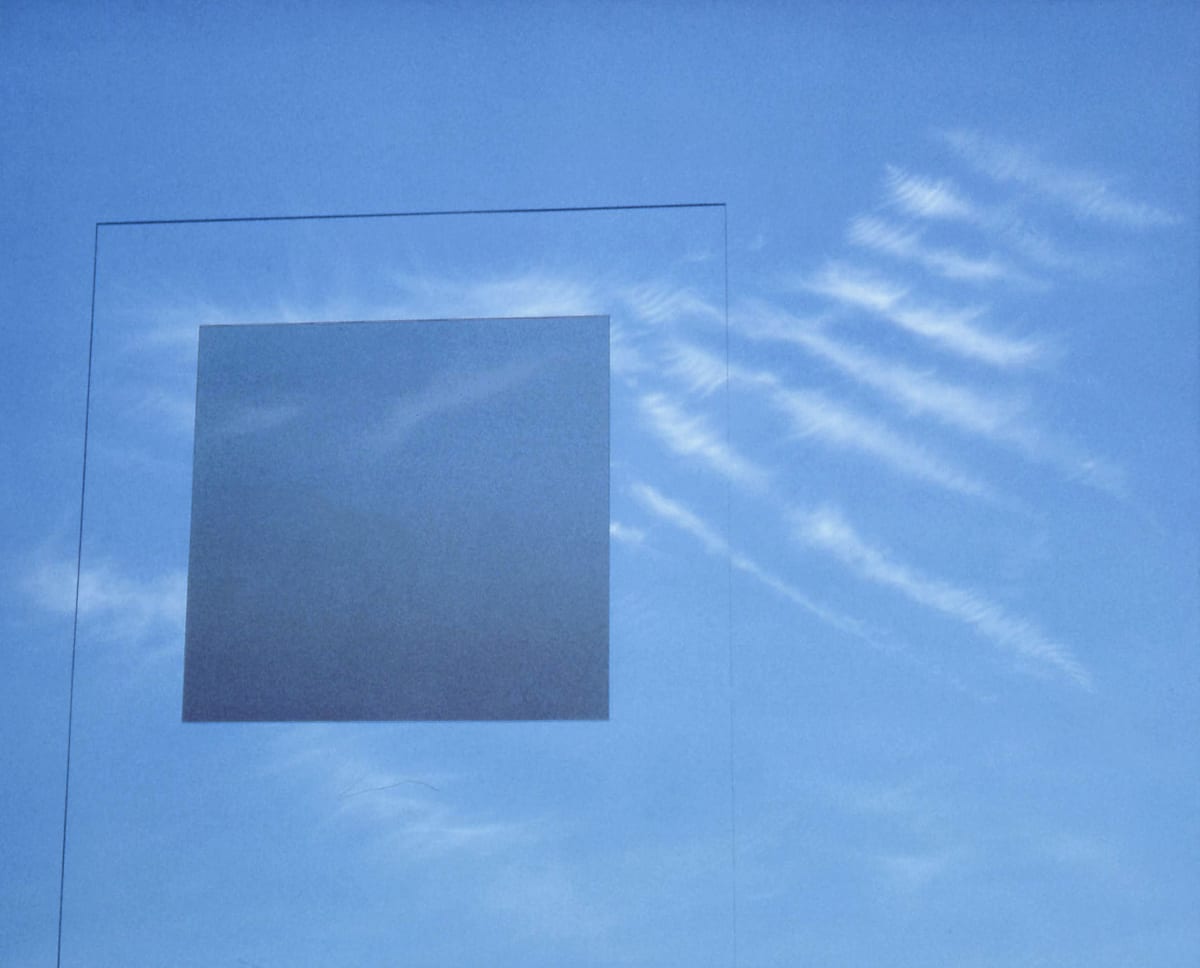
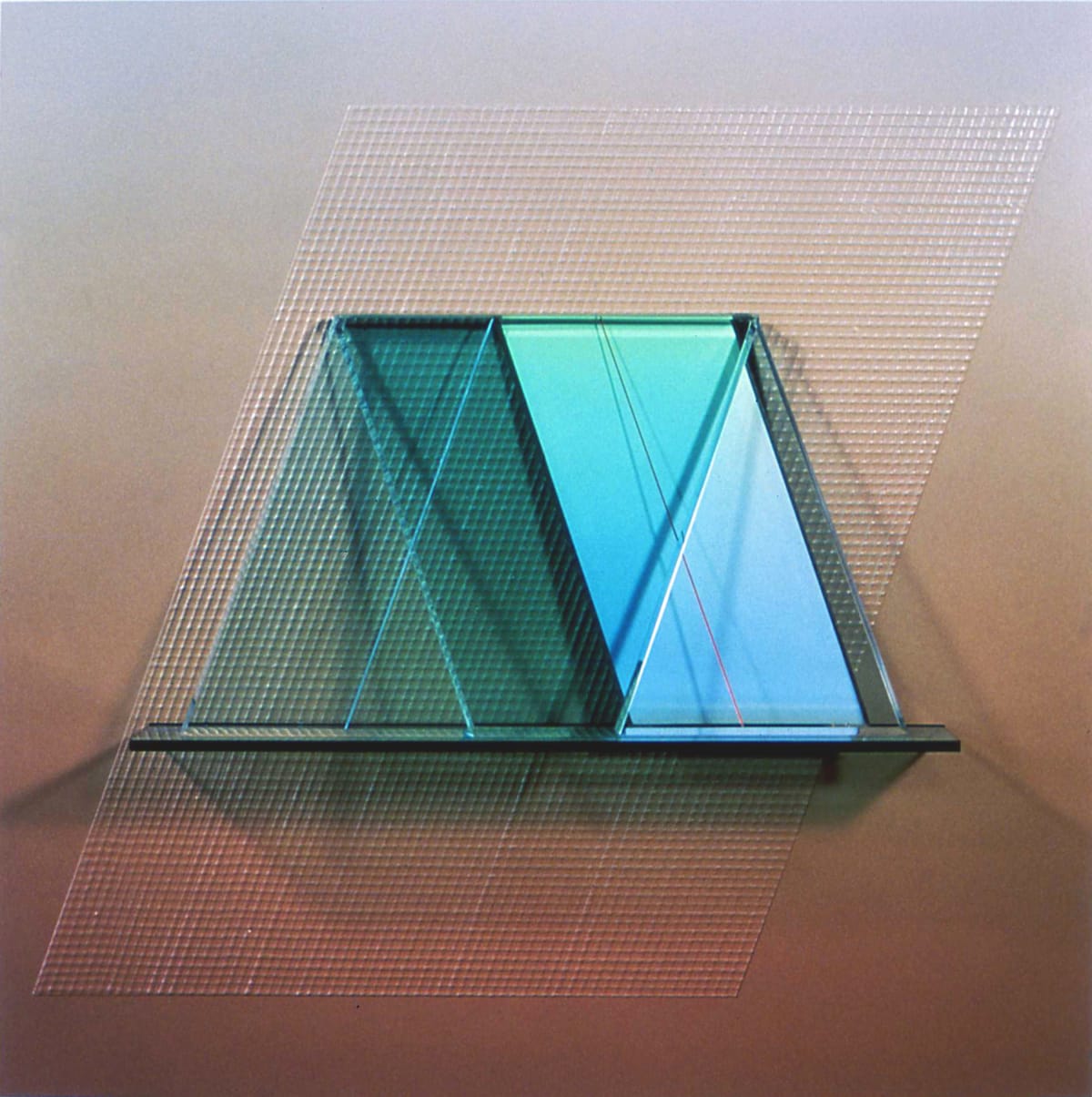
Immediately following 365 Skies, Pecoraro pushed the sky off the wall. Airbrushed acrylic skies were combined with cast polyester resin, translucent Plexiglas, and fluorescent tubes, producing objects that sat somewhere between painting, sculpture, and lighting design. Aluminum pedestals topped with white translucent Plexiglas boxes, wired with circular fluorescent bulbs, threw light up through transparent cast resin — each casting a different spectrum as a viewer moved past. It was this effect, living in his own house, that led directly to the Prismatic work.